Lord Arthur Savile's Crime
Lord Arthur Savile’s Crime is a darkly comic tale by Oscar Wilde, first published in 1887 and later collected in 1891.
On the eve of marriage, a fashionable gentleman hears a palm reader’s prediction that he will commit murder. Determined to preserve his future happiness, he decides to fulfill the prophecy on his own terms, plotting a tidy, victimless solution that spirals into a farce of misguided schemes and near-misses.
As polite dinners and drawing-room visits give way to poison capsules, explosive devices, and elaborate alibis, the story turns into a satire of Victorian respectability. Wilde exposes how obsession with destiny and propriety can warp reason—and how good intentions, cloaked in etiquette, may hide absurdity.
With crisp irony and a twist worthy of a stage curtain, the novella becomes a witty meditation on fate versus free will and the comic hazards of moral certainty, proving that the greatest crimes may be those committed in the name of keeping one’s life perfectly in order.
"It was Lady Windermere’s last reception before Easter, and Bentinck House was even more crowded than usual. Six Cabinet Ministers had come on from the Speaker’s Levée in their stars and ribands, all the pretty women wore their smartest dresses, and at the end of the picture-gallery stood the Princess Sophia of Carlsrühe, a heavy Tartar-looking lady, with tiny black eyes and wonderful emeralds, talking bad French at the top of her voice, and laughing immoderately at everything that was said to her."
Your download has started
PDF · Lord Arthur Savile's Crime — didn't start? Download again
Also available: PDF · EPUB · MOBI · Read online
Read it on a Kindle
Download the EPUB and send it with Amazon's Send to Kindle (web, app, or your kindle.com email). Modern Kindles accept EPUB directly — no conversion needed.
On iPhone or iPad
Tap the downloaded file, then "Open in Books". It opens in Apple Books, with your reading progress synced across your devices.
On Android
Open the file with Google Play Books or any EPUB reader (ReadEra, Moon+ Reader). PDFs open in any viewer.
On your computer
PDFs open anywhere. For EPUB, try Calibre or Thorium Reader — both free and excellent.
Public domain (US)·No sign-up·DRM-free·Real text, not scans
Copyright note. Lord Arthur Savile's Crime by Oscar Wilde is believed to be in the public domain in the United States only. It may still be copyrighted in other countries. If you are not in the United States, please check your local laws to ensure this eBook is in the public domain in your country before downloading Lord Arthur Savile's Crime in PDF or EPUB.
- Pages
- 111
- Reading time
- 3 hours 20 minutes
- Pace
- Intermediate
- First published
- 1891
- Language
- English
- Downloads
- 2,745
135 years later, still timely
Why Read Lord Arthur Savile's Crime in 2026?
A fashionable prophecy convinces a gentleman he must commit a murder. Wilde’s glittering farce turns fate, morality, and vanity into a single exquisite joke—with a blade underneath.
Today's connection
When prediction tools feel oracular, this story mocks fatalism and excuses. It is a reminder that responsibility cannot be outsourced to forecasts, algorithms, or palm readers with perfect diction.
Satire with teeth
Etiquette cannot pardon cruelty.
Choice over fate
Prophecy is not permission.
Wildean wit
Light touch, serious point.
Share this book
About the author
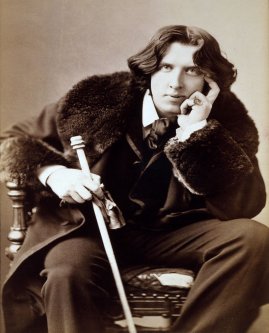
Oscar Wilde
Paradox with poise; style used as ethics, defense, and delight in public life.