Shirley
Shirley is a novel written by Charlotte Brontë and first published in 1849.
The novel focuses on the lives of two women in the Yorkshire village of Hollingsworth in 1811 and the friendship between them and their respective love affairs.
At the time of the Napoleonic wars, Robert Moore decides to invest and industrialize his factory, which leads to numerous dismissals of employees who try to attack the factory. Caroline, his shy cousin, is very much in love with him, but one day Shirley, the heiress of the land where the factory is located, appears in their lives. The two become close friends, but Caroline realizes that it would be in Robert's best interest to marry Shirley for possession of the land. The book tells the story of these characters and their efforts to see their desires fulfilled.
The argument of the novel is that marriage is not always the best option for women, and that they should be free to choose their own paths in life.
The novel was praised for its frank discussion of women's rights and sexuality, as well as its realistic portrayal of life in early 19th-century England. However, it was also criticized for its length and slow pace.
Your download has started
PDF · Shirley — didn't start? Download again
Also available: PDF · EPUB · MOBI · Read online
Read it on a Kindle
Download the EPUB and send it with Amazon's Send to Kindle (web, app, or your kindle.com email). Modern Kindles accept EPUB directly — no conversion needed.
On iPhone or iPad
Tap the downloaded file, then "Open in Books". It opens in Apple Books, with your reading progress synced across your devices.
On Android
Open the file with Google Play Books or any EPUB reader (ReadEra, Moon+ Reader). PDFs open in any viewer.
On your computer
PDFs open anywhere. For EPUB, try Calibre or Thorium Reader — both free and excellent.
Public domain (US)·No sign-up·DRM-free·Real text, not scans
Copyright note. Shirley by Charlotte Brontë is believed to be in the public domain in the United States only. It may still be copyrighted in other countries. If you are not in the United States, please check your local laws to ensure this eBook is in the public domain in your country before downloading Shirley in PDF or EPUB.
- Pages
- 545
- Reading time
- 18 hours 3 minutes
- Pace
- Intermediate
- First published
- 1849
- Language
- English
- Downloads
- 3,157
177 years later, still timely
Why Read Shirley in 2026?
Mills strike, tempers flare, and two women refuse to be background scenery. Charlotte Brontë threads romance through labor unrest and questions of power, giving wit and agency in equal measure. The novel argues for competence over class and respect over noise.
Today's connection
Economic volatility and debates about work feel familiar. Shirley offers leadership without swagger, empathy without softness, and love that learns to negotiate with the world rather than surrender to it.
Work and power
Who decides, who risks, who repairs.
Community stakes
Factory walls do not stop consequences.
Agency with care
Affection that does not erase self.
These collections include Shirley
Share this book
About the author
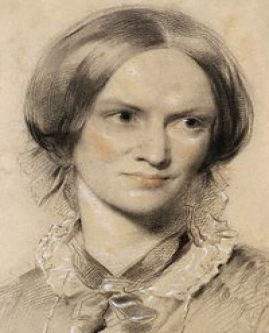
Charlotte Brontë
Gothic intensity meets moral independence and a modern inner voice.