
The Last Man Book download in PDF, ePub & Mobi
by Mary Shelley
Science Fiction Apocalyptic and post-apocalyptic fiction Romantic Human nature Loneliness Social collapse Disease and decay Hope
The Last Man is a science fiction novel written by Mary Shelley and originally published in 1826. The plot describes a futuristic world that has been desolated by a plague.
Lionel is a young man distressed by the injustice he suffers in his life. He is uneducated and poor, and he is desperate. He is eager to get revenge on what he considers to be the cause of his troubles.
Despite being the son of a nobleman, his father fell from grace due to gambling problems and was expelled from court. Although he sends a letter to the King to take care of his children, the King ignores him and the children grow up as orphans.
However, a noble landowner appears in his life, who manages to appease Lionel's anger against the world. This man is goodness incarnate, the romantic hero, who teaches Lionel to read, to love and to live.
The novel describes a Earth at the time of the late 21st Century, asolated by a new pandemic of the bubonic plague which quickly sweeps across the world.
#11 in Science fiction (this month)
Download this book
The The Last Man book is available for download in PDF, ePUB and Mobi:


Copyright info
The Last Man by Mary Shelley is believed to be in the public domain in the United States only. It may still be copyrighted in other countries. If you are not in the United States, please check your local laws to ensure this eBook is in the public domain in your country before downloading The Last Man in PDF or ePub.
WHY READ THE LAST MAN IN 2025?
199 years later, still timelyBefore apocalypse became a genre, Shelley wrote a pandemic epic about love, leadership, and loss. The scale is vast; the grief is intimate.
After recent years, its questions feel newly clear: how do communities hold, who should guide, and what stories help us endure when maps fail?
Speculation with soul
Science meets sorrow.
Care in crisis
Mutual aid as meaning.
Lead or leave
Character under pressure.
Perfect for
Share this book
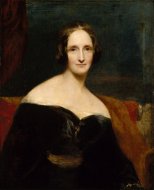
About Mary Shelley
A pioneering imagination about creation, care, and responsibility in the age of making life.
We have 9 books by Mary Shelley in the AliceAndBooks library