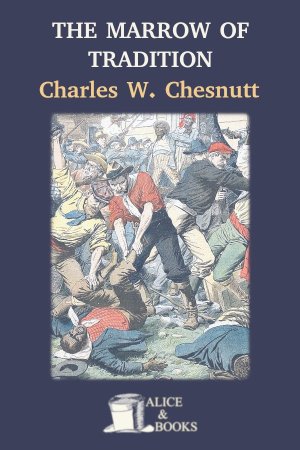
The Marrow of Tradition
The Marrow of Tradition is a historical novel written by Charles W. Chesnutt and originally published in 1901. It is the American writer's best known work.
The novel is based on the real events that took place during the 1898 riots in North Carolina. There, white supremacists rebelled against the power of the democratic community even though it was legally elected.
The story centers on two families, one white and one black, and how their lives intersect. The novel reflects, quite realistically, the daily struggles of blacks at that time to be independent and forge their own lives. It also shows the hatred of many whites, especially the upper classes, against this social change that was taking place.
"The night was hot and sultry. Though the windows of the chamber were wide open, and the muslin curtains looped back, not a breath of air was stir- ring. Only the shrill chirp of the cicada and the muffled croaking of the frogs in some distant marsh broke the night silence."
Your download has started
PDF · The Marrow of Tradition — didn't start? Download again
Also available: PDF · EPUB · MOBI · Read online
Read it on a Kindle
Download the EPUB and send it with Amazon's Send to Kindle (web, app, or your kindle.com email). Modern Kindles accept EPUB directly — no conversion needed.
On iPhone or iPad
Tap the downloaded file, then "Open in Books". It opens in Apple Books, with your reading progress synced across your devices.
On Android
Open the file with Google Play Books or any EPUB reader (ReadEra, Moon+ Reader). PDFs open in any viewer.
On your computer
PDFs open anywhere. For EPUB, try Calibre or Thorium Reader — both free and excellent.
Public domain (US)·No sign-up·DRM-free·Real text, not scans
Copyright note. The Marrow of Tradition by Charles W. Chesnutt is believed to be in the public domain in the United States only. It may still be copyrighted in other countries. If you are not in the United States, please check your local laws to ensure this eBook is in the public domain in your country before downloading The Marrow of Tradition in PDF or EPUB.
- Pages
- 244
- Reading time
- 7 hours 32 minutes
- Pace
- Intermediate
- First published
- 1901
- Language
- English
125 years later, still timely
Why Read The Marrow of Tradition in 2026?
Fiction built from real racial terror. Newspapers, courts, and rumors fight over reality—and lives.
Today's connection
Crucial context for conversations on memory laws, media bias, and civic courage. Chesnutt makes the machinery of injustice visible, scene by scene.
Justice on trial
Institutions shown in motion.
Press & perception
Who frames the facts, and how.
Community stakes
Private grief, public harm.
Share this book
About the author
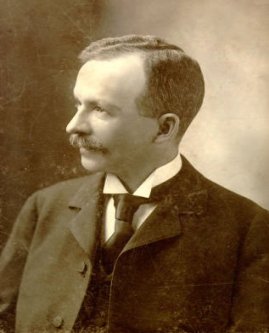
Charles W. Chesnutt
African American realism and folklore; law, color, and conscience in exact prose.