
The Vampire Maid
The Vampire Maid is an early vampire short story written by Hume Nisbet and first published in 1900.
This book tells us the story of an artist who goes on a retreat to a fairly sparsely populated rural area. There, he stays in a lonely cabin in the middle of the forest and the protagonist falls totally in love with the daughter of his host named Ariadne.
However, Ariadne hides a dangerous secret: her hair is too black, her lips are too red... In a short time, the protagonist will begin to suffer terrible nightmares and will notice that he has less energy. Will the protagonist be able to realize the situation and survive his stay in the cabin?
This story, of very short duration, is the typical vampire tale, being descriptive and a very quick read.
Your download has started
PDF · The Vampire Maid — didn't start? Download again
Also available: PDF · EPUB · MOBI · Read online
Read it on a Kindle
Download the EPUB and send it with Amazon's Send to Kindle (web, app, or your kindle.com email). Modern Kindles accept EPUB directly — no conversion needed.
On iPhone or iPad
Tap the downloaded file, then "Open in Books". It opens in Apple Books, with your reading progress synced across your devices.
On Android
Open the file with Google Play Books or any EPUB reader (ReadEra, Moon+ Reader). PDFs open in any viewer.
On your computer
PDFs open anywhere. For EPUB, try Calibre or Thorium Reader — both free and excellent.
Public domain (US)·No sign-up·DRM-free·Real text, not scans
Copyright note. The Vampire Maid by Hume Nisbet is believed to be in the public domain in the United States only. It may still be copyrighted in other countries. If you are not in the United States, please check your local laws to ensure this eBook is in the public domain in your country before downloading The Vampire Maid in PDF or EPUB.
- Pages
- 9
- Reading time
- 12 minutes
- Pace
- Intermediate
- First published
- 1900
- Language
- English
- Downloads
- 3,007
126 years later, still timely
Why Read The Vampire Maid in 2026?
Gothic cottage, mysterious hostess, and a fever that feels like a spell—Nisbet’s short shock blends romance with dread.
Today's connection
Great for a single-sitting scare and a conversation about consent, hunger, and the myths we dress as love.
Moody bite
Fog, blood, hush.
Seduction & danger
Charm with claws.
Quick chill
One night, new nerves.
These collections include The Vampire Maid


Share this book
About the author
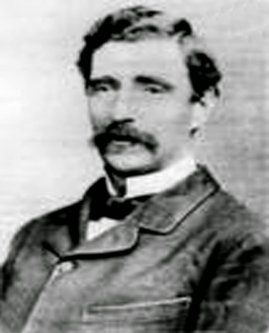
Hume Nisbet
Frontier and supernatural tales seen with a painterly eye and a taste for strangeness.
If this one stays with you…
The Masque of the Red DeathEdgar Allan Poe

DraculaBram Stoker
The Legend of Sleepy HollowWashington Irving

FrankensteinMary Shelley
From The Vampire Maid
A strange unrest was in my blood; a barren dearth in my brains. Familiar objects and faces had grown distasteful to me. I wanted to be alone.
The loneliness of the moor, with the singing of the ocean, had gripped my heart with a wistful longing.
I was in that condition of mind when absolute renunciation of society was a necessity.
I was in that condition of mind when absolute renunciation of society was a necessity.
I had become diffident of myself, and wearied of my kind. A strange unrest was in my blood; a barren dearth in my brains. Familiar objects and faces had grown distasteful to me. I wanted to be alone.