
The Wealth of Nations
An Inquiry into the Nature and Causes of the Wealth of Nations, better known by its abbreviation The Wealth of Nations, is an economics book written by Adam Smith and published in 1776. It is the author's most influential work.
In this work, considered the first book on modern economics, Adam Smith intends to describe how, from a series of changes in the functioning of the market, wealth could be produced through work, and how competition holds profits in check while freedom and property are preserved.
He makes a deep analysis of how the origin of the prosperity of countries such as the Netherlands or England has been, and examines different types of economic political systems such as mercantilism and physiocracy, and sets out his own proposal, the "system of natural liberty", in which individual self-interest ends up serving the common good.
"The greatest improvement in the productive powers of labour, and the greater part of the skill, dexterity, and judgment with which it is anywhere directed, or applied, seem to have been the effects of the division of labour."
Your download has started
PDF · The Wealth of Nations — didn't start? Download again
Also available: PDF · EPUB · MOBI · Read online
Read it on a Kindle
Download the EPUB and send it with Amazon's Send to Kindle (web, app, or your kindle.com email). Modern Kindles accept EPUB directly — no conversion needed.
On iPhone or iPad
Tap the downloaded file, then "Open in Books". It opens in Apple Books, with your reading progress synced across your devices.
On Android
Open the file with Google Play Books or any EPUB reader (ReadEra, Moon+ Reader). PDFs open in any viewer.
On your computer
PDFs open anywhere. For EPUB, try Calibre or Thorium Reader — both free and excellent.
Public domain (US)·No sign-up·DRM-free·Real text, not scans
Copyright note. The Wealth of Nations by Adam Smith is believed to be in the public domain in the United States only. It may still be copyrighted in other countries. If you are not in the United States, please check your local laws to ensure this eBook is in the public domain in your country before downloading The Wealth of Nations in PDF or EPUB.
- Pages
- 1187
- Reading time
- 37 hours 44 minutes
- Pace
- Slow
- First published
- 1776
- Language
- English
- Downloads
- 5,625
250 years later, still timely
Why Read The Wealth of Nations in 2026?
Before dashboards and gig apps, Smith mapped how work, prices, and policy move together. Clearer than its reputation, it explains incentives, trade, and the human on the factory floor. Bring questions; leave with frameworks.
Today's connection
Read it as economics plus ethics. Division of labor, market signals, and state duties appear with attention to dignity and prudence. For students and builders, it sharpens debates on regulation, competition, and the common good—without slogans.
Mechanics of markets
Incentives, specialization, and trade-offs made plain.
Prosperity with prudence
Freedom needs rules that serve the many.
Readable foundations
History, case studies, and definitions you can use.
Share this book
About the author
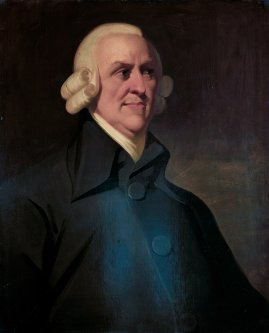
Adam Smith
Clear economics and moral philosophy; markets, sympathy, and institutions in balance.