Intentions
Intentions is a collection of four essays by Oscar Wilde, first published in 1891.
Written as sparkling dialogues and polished portraits, it serves as a manifesto for the late-Victorian aesthetic movement and Wilde’s lifelong defense of art for art’s sake.
In “The Decay of Lying,” Wilde playfully argues that art thrives on beautiful untruths, insisting that imagination—not fact—gives art its power. He flips common sense on its head to claim that life often imitates art, celebrating style, invention, and deliberate artifice over mere realism.
“The Critic as Artist” pushes the idea that criticism is itself a creative act. Far from being secondary, the critic shapes meaning, reveals unseen possibilities, and stands as a maker in his own right—advancing Wilde’s view that aesthetic appreciation is a form of creation.
Balancing provocation with wit, “Pen, Pencil and Poison” explores the unsettling intersection of beauty and immorality, while “The Truth of Masks” defends theatrical costume as a vehicle for deeper dramatic truth. Across the collection, Wilde’s paradoxes and epigrams invite readers to question moralizing approaches to culture and embrace the autonomy of art.
"Cyril (coming in through the open window from the terrace). My dear Vivian, don’t coop yourself up all day in the library. It is a perfectly lovely afternoon. The air is exquisite. There is a mist upon the woods, like the purple bloom upon a plum. Let us go and lie on the grass and smoke cigarettes and enjoy Nature."
Your download has started
PDF · Intentions — didn't start? Download again
Also available: PDF · EPUB · MOBI · Read online
Read it on a Kindle
Download the EPUB and send it with Amazon's Send to Kindle (web, app, or your kindle.com email). Modern Kindles accept EPUB directly — no conversion needed.
On iPhone or iPad
Tap the downloaded file, then "Open in Books". It opens in Apple Books, with your reading progress synced across your devices.
On Android
Open the file with Google Play Books or any EPUB reader (ReadEra, Moon+ Reader). PDFs open in any viewer.
On your computer
PDFs open anywhere. For EPUB, try Calibre or Thorium Reader — both free and excellent.
Public domain (US)·No sign-up·DRM-free·Real text, not scans
Copyright note. Intentions by Oscar Wilde is believed to be in the public domain in the United States only. It may still be copyrighted in other countries. If you are not in the United States, please check your local laws to ensure this eBook is in the public domain in your country before downloading Intentions in PDF or EPUB.
- Pages
- 147
- Reading time
- 4 hours 54 minutes
- Pace
- Intermediate
- First published
- 1891
- Language
- English
- Downloads
- 2,942
135 years later, still timely
Why Read Intentions in 2026?
Wilde makes criticism sparkle like theater. In dialogues and essays, he argues that art needs freedom from moral policing—and that criticism done creatively is itself an art. Expect paradox, laughter, and ideas that still disarm certainty.
Today's connection
Read to refresh debates on censorship, interpretation, and the uses of beauty. It’s quick, quotable, and oddly liberating.
Criticism as creation
Thinking with style.
Productive paradox
Opposites illuminate.
Art & ethics
Freedom without naivety.
Share this book
About the author
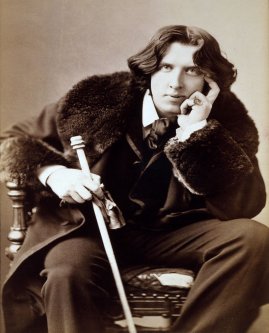
Oscar Wilde
Paradox with poise; style used as ethics, defense, and delight in public life.