Purgatory and Paradise
Purgatory and Paradise are the second and third parts respectively of the book The Divine Comedy written by Dante Alighieri and first published in 1321.
After surviving the depths of hell described in the first part of the Divine Comedy, Dante and Virgil reach the Mountain of Purgatory on the opposite side of the planet.
Purgatory, located between Hell and Paradise, is further divided into Antepurgatory, Purgatory and Paradise on Earth. In it are represented the seven deadly sins: pride, envy, anger, sloth, greed, gluttony, lust. As one ascends the mountain, Dante's path shows from the slightest sin to the most serious. During the ascent, Dante will meet the angelic custodians who atone for the sins and show the virtue opposite to the punished vice.
Therefore, Purgatory has the function of expiation, reflection and repentance of the sins committed that each soul performs in the journey of the ascent to the mountain to purify itself along the way and aspire to God's redemption.
For this digital edition of the book Purgatory and Paradise we have used the translation of Cary, Henry Francis. (1772-1844).
Your download has started
PDF · Purgatory and Paradise — didn't start? Download again
Also available: PDF · EPUB · MOBI · Read online
Read it on a Kindle
Download the EPUB and send it with Amazon's Send to Kindle (web, app, or your kindle.com email). Modern Kindles accept EPUB directly — no conversion needed.
On iPhone or iPad
Tap the downloaded file, then "Open in Books". It opens in Apple Books, with your reading progress synced across your devices.
On Android
Open the file with Google Play Books or any EPUB reader (ReadEra, Moon+ Reader). PDFs open in any viewer.
On your computer
PDFs open anywhere. For EPUB, try Calibre or Thorium Reader — both free and excellent.
Public domain (US)·No sign-up·DRM-free·Real text, not scans
Copyright note. Purgatory and Paradise by Dante Alighieri is believed to be in the public domain in the United States only. It may still be copyrighted in other countries. If you are not in the United States, please check your local laws to ensure this eBook is in the public domain in your country before downloading Purgatory and Paradise in PDF or EPUB.
- Pages
- 192
- Reading time
- 3 hours 4 minutes
- Pace
- Intermediate
- First published
- 1321
- Language
- Italian
- Downloads
- 2,975
705 years later, still timely
Why Read Purgatory and Paradise in 2026?
Dante climbs from disciplined change to radiant understanding. Purgatory models communal help and accountability; Paradise turns thought into music and light. Rigorous and hopeful, these canticles map growth beyond fear toward love informed by reason.
Today's connection
After crisis, many seek repair and meaning. Dante offers a grammar for patience, practice, and joy.
Ascent model
Steps toward wholeness.
Cosmic imagination
Ideas sung, not lectured.
Guides and friends
Learning in company.
Share this book
About the author
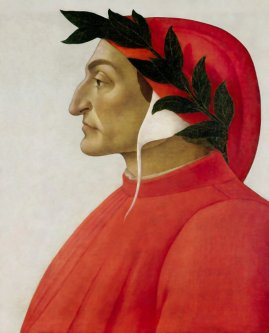
Dante Alighieri
Epic vision of justice, love, and language that shaped moral imagination across Europe.