Some Thoughts Concerning Education
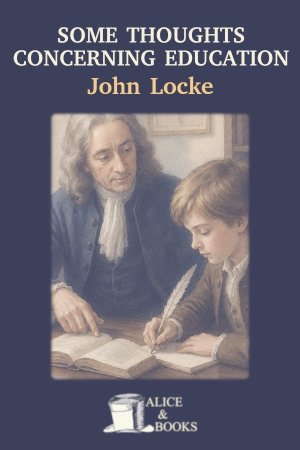
Some Thoughts Concerning Education is a treatise on education written by John Locke and first published in 1693.
The book explains how children should be raised to become virtuous, rational, healthy, and independent adults. Locke argues that education should shape both character and intellect, beginning with physical discipline, good habits, and self-control.
He recommends teaching through encouragement, practical experience, and respect rather than harsh punishment. Lessons should awaken curiosity and help children develop a genuine desire to learn, while subjects such as reading, writing, languages, geography, and mathematics should have clear practical value.
Although primarily addressed to the education of young gentlemen, the work presents influential ideas about childhood and learning. Its central message is that character, reason, and useful knowledge are more important than memorization or rigid academic instruction.
"§1. A sound mind in a sound body, is a short, but full description of a happy state in this world. He that has these two, has little more to wish for; and he that wants either of them, will be but little the better for anything else. Men’s happiness or misery is most part of their own making."
Your download has started
PDF · Some Thoughts Concerning Education — didn't start? Download again
Also available: PDF · EPUB · Read online
Read it on a Kindle
Download the EPUB and send it with Amazon's Send to Kindle (web, app, or your kindle.com email). Modern Kindles accept EPUB directly — no conversion needed.
On iPhone or iPad
Tap the downloaded file, then "Open in Books". It opens in Apple Books, with your reading progress synced across your devices.
On Android
Open the file with Google Play Books or any EPUB reader (ReadEra, Moon+ Reader). PDFs open in any viewer.
On your computer
PDFs open anywhere. For EPUB, try Calibre or Thorium Reader — both free and excellent.
Public domain (US)·No sign-up·DRM-free·Real text, not scans
Copyright note. Some Thoughts Concerning Education by John Locke is believed to be in the public domain in the United States only. It may still be copyrighted in other countries. If you are not in the United States, please check your local laws to ensure this eBook is in the public domain in your country before downloading Some Thoughts Concerning Education in PDF or EPUB.
- Pages
- 169
- Reading time
- 6 hours 34 minutes
- Pace
- intermediate
- First published
- 1693
- Language
- English
333 years later, still timely
Why Read Some Thoughts Concerning Education in 2026?
Locke argues that children learn character before they learn Latin: habits, curiosity, and self-command matter more than memorized rules. He favors encouragement over punishment and useful knowledge over rote drill — practical advice addressed to the adults raising a child.
Today's connection
Every argument about raising kids — discipline versus encouragement, curiosity versus drilling — runs through questions Locke already engages. Parents and teachers still find usable ideas here.
Curiosity first
Desire to learn beats drill.
Character building
Habits before rules.
Enlightenment roots
Empiricism applied to childhood.
Share this book
About the author
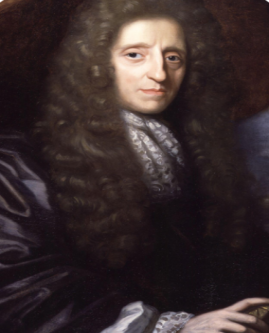
John Locke
Modern ideas on rights, consent, toleration, and knowledge in plain vigorous prose.