The Antichrist
The Antichrist is one of the last works of the German philosopher Friedrich Nietzsche written in 1888 but published in 1895. Nietzsche denounces Christianity as the poisoner of Western culture.
These criticisms focus on what he considered the slavish morality of Christianity and its insistence on guilt, self-denial and piety. For Nietzsche, this morality has undermined the vitality of the Western world by fostering an unworldly, life-denying attitude.
Using irony, Nietzsche suggests that Jesus himself was an embodiment of the resentful slave morality. The work contains some of his most critical writings against women whom he accuses of leading men astray with their "cunning seduction."
Nietzsche also declares that he is proud to be a Jew and claims that they are the ones who have best preserved a sense of reality, more than any other nation.
Let us look each other in the face. We are Hyperboreans-we know well enough how remote our place is. “Neither by land nor by water will you find the road to the Hyperboreans”: even Pindar, in his day, knew that much about us.
Your download has started
PDF · The Antichrist — didn't start? Download again
Also available: PDF · EPUB · MOBI · Read online
Read it on a Kindle
Download the EPUB and send it with Amazon's Send to Kindle (web, app, or your kindle.com email). Modern Kindles accept EPUB directly — no conversion needed.
On iPhone or iPad
Tap the downloaded file, then "Open in Books". It opens in Apple Books, with your reading progress synced across your devices.
On Android
Open the file with Google Play Books or any EPUB reader (ReadEra, Moon+ Reader). PDFs open in any viewer.
On your computer
PDFs open anywhere. For EPUB, try Calibre or Thorium Reader — both free and excellent.
Public domain (US)·No sign-up·DRM-free·Real text, not scans
Copyright note. The Antichrist by Friedrich Nietzsche is believed to be in the public domain in the United States only. It may still be copyrighted in other countries. If you are not in the United States, please check your local laws to ensure this eBook is in the public domain in your country before downloading The Antichrist in PDF or EPUB.
- Pages
- 102
- Reading time
- 2 hours 51 minutes
- Pace
- Intermediate
- First published
- 1895
- Language
- German
- Downloads
- 3,743
131 years later, still timely
Why Read The Antichrist in 2026?
A provocative essay that tests values by stress and asks what strengthens or weakens life. Agree or argue, it sharpens definitions and demands intellectual courage.
Today's connection
Read it as methodology as much as verdict: diagnose assumptions, separate pity from love, and ask what your ideals produce. Useful for seminars where clarity and honest disagreement matter.
Critique as tool
Define terms, follow effects, cut fog.
Morality inspected
Standards judged by what they yield.
Polemic on purpose
Friction generates thinking—use carefully.
Share this book
About the author
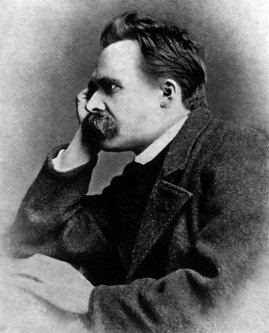
Friedrich Nietzsche
Provocative philosophy that asks what values mean once inherited certainties collapse.