
The Art of War
The Art of War is an ancient Chinese military treatise dating from the Late Spring and Autumn Period (roughly the 5th century BC).
The book is traditionally attributed to the military strategist Sun Tzu. It is one of the most read books in history. Despite being more than 2,500 years old, its principles and advice can be applied to the military, political, business and individual spheres today.
Therefore, this book teaches us the principles by which human beings act, how to be a good leader and how to design the best tactics or strategies at work.
In summary, it is not only a strategy book based on principles of Taoist doctrine, but it can help you now, in your life, since following its philosophy means having guidelines to know and analyze the nature of confrontations and thus avoid them.
This edition is based on the 1910 translation by Lionel Giles, originally published as The Art of War: The Oldest Military Treatise in the World.
Your download has started
PDF · The Art of War — didn't start? Download again
Also available: PDF · EPUB · MOBI · Read online
Read it on a Kindle
Download the EPUB and send it with Amazon's Send to Kindle (web, app, or your kindle.com email). Modern Kindles accept EPUB directly — no conversion needed.
On iPhone or iPad
Tap the downloaded file, then "Open in Books". It opens in Apple Books, with your reading progress synced across your devices.
On Android
Open the file with Google Play Books or any EPUB reader (ReadEra, Moon+ Reader). PDFs open in any viewer.
On your computer
PDFs open anywhere. For EPUB, try Calibre or Thorium Reader — both free and excellent.
Public domain (US)·No sign-up·DRM-free·Real text, not scans
Copyright note. The Art of War by Sun Tzu is believed to be in the public domain in the United States only. It may still be copyrighted in other countries. If you are not in the United States, please check your local laws to ensure this eBook is in the public domain in your country before downloading The Art of War in PDF or EPUB.
- Pages
- 47
- Reading time
- 1 hour 0 minutes
- Pace
- Intermediate
- First published
- -514
- Language
- Chinese
- Downloads
- 31,867
2540 years later, still timely
Why Read The Art of War in 2026?
Not a war drum, a field manual for clear thinking. 'The Art of War' compresses logistics, timing, deception, and restraint into crisp aphorisms you can use beyond the battlefield—in negotiation, product strategy, coaching, even personal goals. It teaches when not to fight, how to read terrain (social as well as physical), and why preparation beats heroics. Bring problems, not slogans.
Today's connection
Use it as a checklist: goals, ground, resources, timing, morale. The text prizes agility and information over bravado. Read a section, apply it to a project, and notice how planning reduces waste. The wisdom is cool, not cold.
Strategy before motion
Clarity of aim saves effort. Decide what winning means before you move.
Know the terrain
Landscape—political, social, or literal—sets limits and reveals paths. Reading ground is half the work.
Logistics and timing
Supplies and schedules beat speeches. Patience is a tactic, not a mood.
These collections include The Art of War



Share this book
About the author
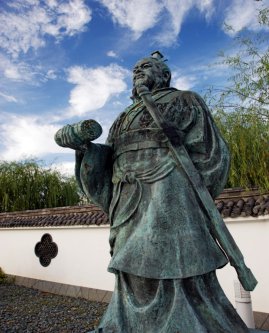
Sun Tzu
Clear strategy maxims about time, terrain, and perception beyond the battlefield.
If this one stays with you…

The PrinceNiccolò Machiavelli

MeditationsMarcus Aurelius

LeviathanThomas Hobbes

A ConfessionLeo Tolstoy
From The Art of War
Treat your men as you would your own beloved sons. And they will follow you into the deepest valley.
When the general is weak and without authority; when his orders are not clear and distinct; when there are no fixed duties assigned to officers and men, and the ranks are formed in a slovenly haphazard manner, the result is utter disorganization.
The supreme art of war is to subdue the enemy without fighting.
Rewards for good service should not be deferred a single day.
There is no instance of a nation benefitting from prolonged warfare.