The Phantom of the Opera
The Phantom of the Opera is a novel written by Gaston Leroux and originally published in 1910.
Framed as an investigation by an unnamed narrator, the novel follows the young nobleman Raoul de Chagny and the singer Christine Daaé after her sudden triumph at the Paris Opera. Christine believes that a mysterious voice teaching her to sing is the “Angel of Music,” while the masked figure behind it demands her loyalty.
The Phantom is Erik, a brilliant and physically deformed inventor, architect, musician, and illusionist who lives beneath the opera house. He manipulates the theater through threats and elaborate tricks and, obsessed with Christine, abducts her to his underground home.
When Christine turns to Raoul, Erik’s jealousy escalates. Raoul and a mysterious figure known as the Persian descend beneath the opera house to rescue her from Erik’s deadly ultimatum.
Although initially presented as a terrifying figure, Erik is gradually shown as a tragic character shaped by isolation, rejection, and his own violent choices.
The novel combines Gothic horror, mystery, romance, and tragedy. Its Paris Opera setting and enduring central characters have inspired numerous stage and screen adaptations.
Your download has started
PDF · The Phantom of the Opera — didn't start? Download again
Also available: PDF · EPUB · MOBI · Read online
Read it on a Kindle
Download the EPUB and send it with Amazon's Send to Kindle (web, app, or your kindle.com email). Modern Kindles accept EPUB directly — no conversion needed.
On iPhone or iPad
Tap the downloaded file, then "Open in Books". It opens in Apple Books, with your reading progress synced across your devices.
On Android
Open the file with Google Play Books or any EPUB reader (ReadEra, Moon+ Reader). PDFs open in any viewer.
On your computer
PDFs open anywhere. For EPUB, try Calibre or Thorium Reader — both free and excellent.
Public domain (US)·No sign-up·DRM-free·Real text, not scans
Copyright note. The Phantom of the Opera by Gaston Leroux is believed to be in the public domain in the United States only. It may still be copyrighted in other countries. If you are not in the United States, please check your local laws to ensure this eBook is in the public domain in your country before downloading The Phantom of the Opera in PDF or EPUB.
- Pages
- 240
- Reading time
- 7 hours 13 minutes
- Pace
- Intermediate
- First published
- 1909
- Language
- French
- Downloads
- 4,416
117 years later, still timely
Why Read The Phantom of the Opera in 2026?
Beneath the opera’s gold leaf, a hidden architecture serves a wounded genius who confuses control with love. "The Phantom of the Opera" blends romance, mystery, and stagecraft into a study of obsession and voice—what it means to be seen, and what masks cost. It moves quickly but leaves a long echo.
Today's connection
Today we juggle visibility, anonymity, and the myth of the difficult genius. Leroux shows how art can shelter or coerce, and how spaces are designed to direct attention. Watch the novel’s acoustics and corridors as arguments, not scenery. It’s a page-turner with a moral blueprint.
Voice as power
Lessons, arias, and echoes carry desire and control. Sound becomes persuasion.
Architecture that watches
Passages, mirrors, and trapdoors steer behavior. Design is a character.
Obsession versus care
Devotion without respect turns dangerous. The book tests the line carefully.
These collections include The Phantom of the Opera


Best horror and thriller books
From ghostly atmospheres to relentless chases: classics of fear, suspense, and the uncanny.
Explore the collection →


Classic Romance Novels Worth Reading
Love tested by money, class and time — including the six Austen novels and all seven the Brontë sisters wrote.
Explore the collection →

Victorian Ghost Stories & Gothic
Haunted houses, moral doubles and slow-burn dread — from Dickens to the Edwardian ghost story.
Explore the collection →Share this book
About the author
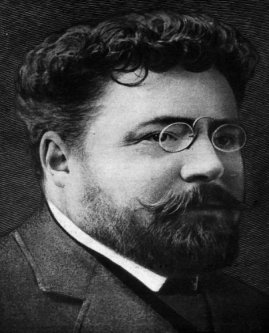
Gaston Leroux
Gothic mystery engineering; theater masks and deduction in elegant suspense.