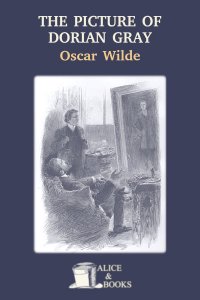
The Picture of Dorian Gray Book download in PDF, ePub & Mobi
by Oscar Wilde
Philosophical fiction Gothic fiction Aesthetics Moral vs. Immorality Duplicity The Supernatural The Consequences of Vanity
The Picture of Dorian Gray is a novel written by Oscar Wilde and published in 1890. Initially published as a short story, it was later revised, corrected and expanded by Wilde and published as his first novel.
Basil Hallward is a painter who becomes fascinated by the aesthetic beauty of a young man named Dorian Gray and begins to paint a portrait of the young man. One day, Dorian meets a friend of Basil's and is captivated by Lord Henry's view of the world, which states that the only thing worthwhile in life is beauty and the satisfaction of the senses. Dorian is aware that his beauty will fade with time and strongly wishes he would always be the age Basil painted the painting.
While he forever maintains the same appearance of the painting, the figure portrayed ages for him. His life is primarily focused on seeking pleasure at all costs, even indulging in lust, but the portrait serves as a reminder of the effects of his soul, where the portrait will bear the burden of his aging and sins.
The book is considered one of the last classic works of the gothic horror novel. Although it caused controversy when it was first published, today it is considered one of the modern classics of universal literature.
#3 in Horror (this month)
#24 in Literary fiction (this month)
Download this book
The The Picture of Dorian Gray book is available for download in PDF, ePUB and Mobi:


Copyright info
The Picture of Dorian Gray by Oscar Wilde is believed to be in the public domain in the United States only. It may still be copyrighted in other countries. If you are not in the United States, please check your local laws to ensure this eBook is in the public domain in your country before downloading The Picture of Dorian Gray in PDF or ePub.
WHY READ THE PICTURE OF DORIAN GRAY IN 2025?
135 years later, still timelyA portrait keeps the score while a city applauds wit. "The Picture of Dorian Gray" reads like a salon of epigrams wrapped around a caution about self-fashioning. The pleasures are real and the sentences glitter; the question is what beauty asks in return and who pays the bill.
Image-making has never been cheaper or more tempting. Wilde shows how charm, taste, and talk can mask costs to others and to oneself. The novel’s aphorisms cut because they are accurate and unsermonizing. Read for delight first—and for the ethical aftertaste.
Epigrams that think
Sparkling lines double as knives. They entertain and diagnose at once.
Art and accountability
Aesthetic ideals meet moral claims. The tension stays productive, not preachy.
City of masks
Salons, studios, and night streets stage identity. Performance becomes habit.
Perfect for
These collections include The Picture of Dorian Gray:


Share this book

About Oscar Wilde
Paradox with poise; style used as ethics, defense, and delight in public life.
We have 17 books by Oscar Wilde in the AliceAndBooks library
Other books that may interest you:



The best Frankenstein quotes
I don't want to be at the mercy of my emotions. I want to use them, to enjoy them, and to dominate them.
You will always be fond of me. I represent to you all the sins you never had the courage to commit.
You know how a voice can stir one. Your voice and the voice of Sibyl Vane are two things that I shall never forget. When I close my eyes, I hear them, and each of them says something different. I don’t know which to follow.
There is only one thing in the world worse than being talked about, and that is not being talked about.