The woodlanders
The woodlanders is a novel by Thomas Hardy, first serialized in 1886–87 and published in book form in 1887. Little Hintock shows how woodland cycles shape human lives.
Timber merchant George Melbury once intended his daughter Grace for Giles Winterborne, a skilled woodsman whose family had been wronged by Melbury's rise. After educating Grace away from the village, he instead favours the socially superior doctor Edred Fitzpiers, making education divide love and belonging.
Grace's marriage deteriorates as Fitzpiers pursues Mrs Charmond, while law and convention restrict Grace's attempt to leave him. Giles gives her shelter at great cost to himself, and Marty South's quiet loyalty reveals care without social reward.
Hardy observes bark, roots, cultivation, seasonal labour, and property with the same precision he brings to marriage and class. The forest is neither simple refuge nor backdrop: it makes loss part of living continuance.
"The rambler who, for old association or other reasons, should trace the forsaken coach-road running almost in a meridional line from Bristol to the south shore of England, would find himself during the latter half of his journey in the vicinity of some extensive woodlands, interspersed with apple-orchards."
Your download has started
PDF · The woodlanders — didn't start? Download again
Also available: PDF · EPUB · MOBI · Read online
Read it on a Kindle
Download the EPUB and send it with Amazon's Send to Kindle (web, app, or your kindle.com email). Modern Kindles accept EPUB directly — no conversion needed.
On iPhone or iPad
Tap the downloaded file, then "Open in Books". It opens in Apple Books, with your reading progress synced across your devices.
On Android
Open the file with Google Play Books or any EPUB reader (ReadEra, Moon+ Reader). PDFs open in any viewer.
On your computer
PDFs open anywhere. For EPUB, try Calibre or Thorium Reader — both free and excellent.
Public domain (US)·No sign-up·DRM-free·Real text, not scans
Copyright note. The woodlanders by Thomas Hardy is believed to be in the public domain in the United States only. It may still be copyrighted in other countries. If you are not in the United States, please check your local laws to ensure this eBook is in the public domain in your country before downloading The woodlanders in PDF or EPUB.
- Pages
- 376
- Reading time
- 11 hours 18 minutes
- Pace
- Intermediate
- First published
- 1887
- Language
- English
139 years later, still timely
Why Read The Woodlanders in 2026?
Hardy sets a quiet tragedy among trees, trades, and unspoken vows. Desire meets class and custom; nature observes without mercy. The novel is tender to working lives and unsentimental about outcomes, with woodland detail that feels lived in. It hurts softly and lingers long.
Today's connection
Rural futures, housing, and ecology are headline issues. This book dignifies labor, shows place shaping fate, and asks what we owe to the landscapes that hold us.
Place as fate
The heath and the heart.
Quiet heartbreak
Feeling under restraint.
Class clarity
Customs that cost people.
Share this book
About the author
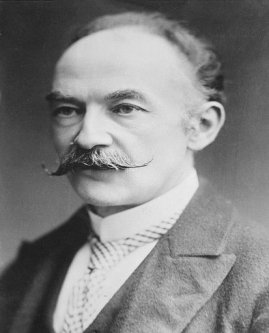
Thomas Hardy
Rural tragedy and tender irony; fate, class, and desire in exact prose.