Villette
Villette is a novel written by Charlotte Brontë and first published in 1853.
Lucy Snowe, an intelligent and observant woman with a strong personality, is a young woman with no family, no money, and no position, who takes a post at a girls' boarding school in Villette, a foreign city Brontë modeled on Brussels.
Lucy gets to know the other women at the boarding school, she becomes involved in their dramas and romances. As the story progresses, Lucy falls in love with the school's difficult, exacting professor, Paul Emanuel.
The book is an exploration of passion, pain, and the sacrifices of love.
The story, narrated in the first person, stands out for the psychological depth of the narrative, which alternates detailed descriptions of public situations and various characters, with an intense exploration inside herself, where we can feel her disappointments and her hopes.
Your download has started
PDF · Villette — didn't start? Download again
Also available: PDF · EPUB · MOBI · Read online
Read it on a Kindle
Download the EPUB and send it with Amazon's Send to Kindle (web, app, or your kindle.com email). Modern Kindles accept EPUB directly — no conversion needed.
On iPhone or iPad
Tap the downloaded file, then "Open in Books". It opens in Apple Books, with your reading progress synced across your devices.
On Android
Open the file with Google Play Books or any EPUB reader (ReadEra, Moon+ Reader). PDFs open in any viewer.
On your computer
PDFs open anywhere. For EPUB, try Calibre or Thorium Reader — both free and excellent.
Public domain (US)·No sign-up·DRM-free·Real text, not scans
Copyright note. Villette by Charlotte Brontë is believed to be in the public domain in the United States only. It may still be copyrighted in other countries. If you are not in the United States, please check your local laws to ensure this eBook is in the public domain in your country before downloading Villette in PDF or EPUB.
- Pages
- 481
- Reading time
- 16 hours 22 minutes
- Pace
- Intermediate
- First published
- 1853
- Language
- English
- Downloads
- 4,248
173 years later, still timely
Why Read Villette in 2026?
Solitude, perception, and a mind that refuses to perform on command. An intimate, unsentimental portrait of resilience.
Today's connection
For readers who value interiority, it traces how observation becomes self-possession. Misreading, culture shock, and hard-won independence feel startlingly current.
Interior weather
Feelings in low light.
Seeing and being seen
Masks, mirrors, mistakes.
Autonomy
Belonging without surrender.
These collections include Villette

Best Books of the 19th Century
The century’s defining works—from Gothic shadows and social epics to radical experiments in style.
Explore the collection →
Classic Romance Novels Worth Reading
Love tested by money, class and time — including the six Austen novels and all seven the Brontë sisters wrote.
Explore the collection →Share this book
About the author
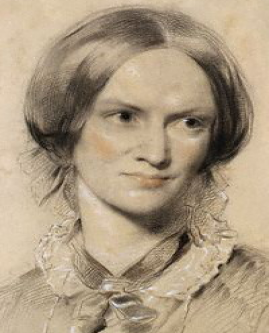
Charlotte Brontë
Gothic intensity meets moral independence and a modern inner voice.