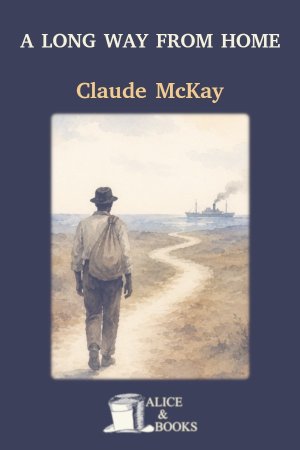
A long way from home
A Long Way from Home is an autobiography by Claude McKay, first published in 1937.
The book chronicles the life of the Jamaican-born writer as he searches for artistic freedom while travelling through the United States, Europe, Russia and North Africa. His journey reflects his personal ambitions and the challenges he faced as a Black intellectual in the early twentieth century.
McKay writes about his connection to the Harlem Renaissance, his encounters with writers and political thinkers, and his complicated relationship with the radical movements of the time. Through these experiences, the book explores race, exile, politics, and literary independence.
More than just a memoir, A Long Way from Home is a candid account of a restless life shaped by migration, creativity, and resistance. It provides valuable insight into McKay’s world and the cultural conflicts that influenced his work.
"That run was the most exciting I ever made on the railroad. After three days away from New York, our dining car was returning again, feeding a morning train out of Philadelphia. A three-days' run was a long one and our crew was in a happy getting-home mood. In the pantry cooks and waiters joked mainly about women, as always, wives and sweethearts; some chanted, "Someone else may be there when I'm gone.""
Your download has started
PDF · A long way from home — didn't start? Download again
Also available: PDF · EPUB · Read online
Read it on a Kindle
Download the EPUB and send it with Amazon's Send to Kindle (web, app, or your kindle.com email). Modern Kindles accept EPUB directly — no conversion needed.
On iPhone or iPad
Tap the downloaded file, then "Open in Books". It opens in Apple Books, with your reading progress synced across your devices.
On Android
Open the file with Google Play Books or any EPUB reader (ReadEra, Moon+ Reader). PDFs open in any viewer.
On your computer
PDFs open anywhere. For EPUB, try Calibre or Thorium Reader — both free and excellent.
Public domain (US)·No sign-up·DRM-free·Real text, not scans
Copyright note. A long way from home by Claude McKay is believed to be in the public domain in the United States only. It may still be copyrighted in other countries. If you are not in the United States, please check your local laws to ensure this eBook is in the public domain in your country before downloading A long way from home in PDF or EPUB.
- Pages
- 293
- Reading time
- 8 hours 15 minutes
- Pace
- intermediate
- First published
- 1937
- Language
- English
89 years later, still timely
Why Read A long way from home in 2026?
McKay tells his own story: a Jamaican-born writer moving through Harlem, Europe, Russia, and North Africa, welcomed by radicals and literary circles yet never fully at home in any of them. It is a candid view of the Harlem Renaissance from inside—and of the price of keeping your independence.
Today's connection
Migration, belonging, and the pull between political movements and artistic freedom—his restlessness feels contemporary in a world of borders and causes.
Restless exile
Journeys without arrival.
Harlem insider
The Renaissance, firsthand.
Fierce independence
Art on his own terms.
Share this book
About the author
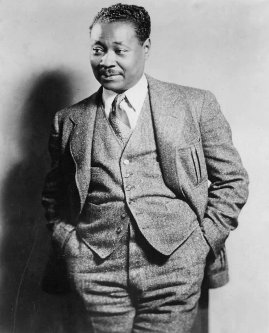
Claude McKay
Harlem Renaissance fire in sonnet form; exile, pride, and defiance made lyric.