An Occurrence at Owl Creek Bridge
An Occurrence at Owl Creek Bridge is a short story by Ambrose Bierce and first published in 1890.
Peyton Farquhar is a wealthy landowner and slave owner who is sentenced to be executed in Alabama during the American Civil War. Six soldiers guard him on the bridge where the sentence will be carried out. He thinks of his family and tries to figure out a way to jump off the bridge and swim away, but the soldiers drop him before he carries out his idea.
The main theme of this short story is that there is no romance or glory in war. The story is known for its irregular time sequence and unexpected ending. Bierce's abandonment of strict linear storytelling in favor of the inner mind of the protagonist is an early example of the stream-of-consciousness narrative mode. It is often described as one of the most famous and frequently anthologized stories in American literature.
A man stood upon a railroad bridge in northern Alabama, looking down into the swift water twenty feet below.
First published in the San Francisco Examiner, July 13, 1890.
Your download has started
PDF · An Occurrence at Owl Creek Bridge — didn't start? Download again
Also available: PDF · EPUB · MOBI · Read online
Read it on a Kindle
Download the EPUB and send it with Amazon's Send to Kindle (web, app, or your kindle.com email). Modern Kindles accept EPUB directly — no conversion needed.
On iPhone or iPad
Tap the downloaded file, then "Open in Books". It opens in Apple Books, with your reading progress synced across your devices.
On Android
Open the file with Google Play Books or any EPUB reader (ReadEra, Moon+ Reader). PDFs open in any viewer.
On your computer
PDFs open anywhere. For EPUB, try Calibre or Thorium Reader — both free and excellent.
Public domain (US)·No sign-up·DRM-free·Real text, not scans
Copyright note. An Occurrence at Owl Creek Bridge by Ambrose Bierce is believed to be in the public domain in the United States only. It may still be copyrighted in other countries. If you are not in the United States, please check your local laws to ensure this eBook is in the public domain in your country before downloading An Occurrence at Owl Creek Bridge in PDF or EPUB.
- Pages
- 14
- Reading time
- 19 minutes
- Pace
- Intermediate
- First published
- 1909
- Language
- English
- Downloads
- 2,143
117 years later, still timely
Why Read An Occurrence at Owl Creek Bridge in 2026?
Time stretches, truth buckles, and a single moment becomes a universe. The twist lands because the prose is surgical.
Today's connection
A masterclass in short form—great for classes, writers, and anyone who loves narrative sleight of hand.
Time fracture
Minutes made epic.
War & psyche
Costs beyond bodies.
Perfect twist
Structure you can study.
Share this book
About the author
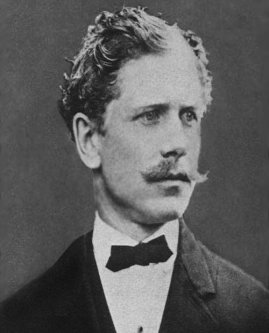
Ambrose Bierce
Cold clarity and dark wit; war stories and definitions that cut to the bone.