Dialogues Concerning Natural Religion
Dialogues Concerning Natural Religion is a philosophical work written by David Hume and published posthumously in 1779.
It presents a debate between three fictional characters — Demea, Philo and Cleanthes — who discuss the nature of God and the rational basis for religious belief.
Through their dialogue, Hume critically examines arguments for the existence of God, such as the design argument, and explores themes such as the limits of human reason, the problem of evil and anthropomorphism in concepts of deities.
The work is notable for its sceptical tone, particularly that of Philo, whom many interpret as representing Hume's own views.
"After I joined the company, whom I found sitting in Cleanthes's library, Demea paid Cleanthes some compliments on the great care which he took of my education, and on his unwearied perseverance and constancy in all his friendships. The father of Pamphilus, said he, was your intimate friend: The son is your pupil; and may indeed be regarded as your adopted son, were we to judge by the pains which you bestow in conveying to him every useful branch of literature and science. You are no more wanting, I am persuaded, in prudence, than in industry. I shall, therefore, communicate to you a maxim, which I have observed with regard to my own children, that I may learn how far it agrees with your practice."
Your download has started
PDF · Dialogues Concerning Natural Religion — didn't start? Download again
Also available: PDF · EPUB · Read online
Read it on a Kindle
Download the EPUB and send it with Amazon's Send to Kindle (web, app, or your kindle.com email). Modern Kindles accept EPUB directly — no conversion needed.
On iPhone or iPad
Tap the downloaded file, then "Open in Books". It opens in Apple Books, with your reading progress synced across your devices.
On Android
Open the file with Google Play Books or any EPUB reader (ReadEra, Moon+ Reader). PDFs open in any viewer.
On your computer
PDFs open anywhere. For EPUB, try Calibre or Thorium Reader — both free and excellent.
Public domain (US)·No sign-up·DRM-free·Real text, not scans
Copyright note. Dialogues Concerning Natural Religion by David Hume is believed to be in the public domain in the United States only. It may still be copyrighted in other countries. If you are not in the United States, please check your local laws to ensure this eBook is in the public domain in your country before downloading Dialogues Concerning Natural Religion in PDF or EPUB.
- Pages
- 113
- Reading time
- 3 hours 1 minutes
- Pace
- Intermediate
- First published
- 1779
- Language
- English
247 years later, still timely
Why Read Dialogues Concerning Natural Religion in 2026?
A conversation in which no one shouts. Hume's 'Dialogues' stage arguments about design, chance, and causation with wit and patience; every position gets its best day in court. The result is not verdict but method: how to disagree carefully, admit limits, and keep friendship intact while testing big claims.
Today's connection
In polarized debates, the dialogue form lowers heat and raises clarity. Read it to separate design from inference and evidence from habit. It pairs well with science, theology, and epistemology courses. Bring questions, not slogans.
Arguments in dialogue
Positions steel-man one another. The genre teaches charitable reading.
Design and causation
Analogy has limits; the text shows where they bite.
Skeptical humility
Ignorance is acknowledged, not mocked. Curiosity survives disagreement.
Share this book
About the author
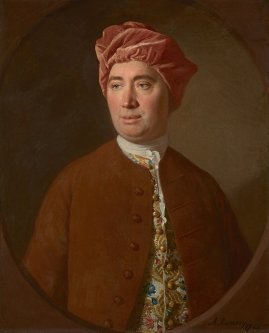
David Hume
Everyday empiricism and friendly rigor; essays that clean arguments about cause self and belief.