Essays
Essays is a philosophical work written by Ralph Waldo Emerson and first published in 1844.
"The wings of Time are black and white,
Pied with morning and with night.
Mountain tall and ocean deep
Trembling balance duly keep.
In changing moon, in tidal wave,
Glows the feud of Want and Have.
Gauge of more and less through space
Electric star and pencil plays."
Your download has started
PDF · Essays — didn't start? Download again
Also available: PDF · EPUB · Read online
Read it on a Kindle
Download the EPUB and send it with Amazon's Send to Kindle (web, app, or your kindle.com email). Modern Kindles accept EPUB directly — no conversion needed.
On iPhone or iPad
Tap the downloaded file, then "Open in Books". It opens in Apple Books, with your reading progress synced across your devices.
On Android
Open the file with Google Play Books or any EPUB reader (ReadEra, Moon+ Reader). PDFs open in any viewer.
On your computer
PDFs open anywhere. For EPUB, try Calibre or Thorium Reader — both free and excellent.
Public domain (US)·No sign-up·DRM-free·Real text, not scans
Copyright note. Essays by Ralph Waldo Emerson is believed to be in the public domain in the United States only. It may still be copyrighted in other countries. If you are not in the United States, please check your local laws to ensure this eBook is in the public domain in your country before downloading Essays in PDF or EPUB.
- Pages
- 269
- Reading time
- 7 hours 41 minutes
- Pace
- Intermediate
- First published
- 1844
- Language
- English
182 years later, still timely
Why Read Emerson’s Essays in 2026?
Portable thinking: “Self-Reliance,” “Experience,” “The Poet.” Emerson gives sentences that recalibrate a day when read slowly.
Today's connection
Best as a notebook companion. Take a page outside; let it argue with you; write back in the margin.
Idea density
Lines built to spark.
Margin sport
Dialogue, not doctrine.
Nature as text
Walk, then read again.
Share this book
About the author
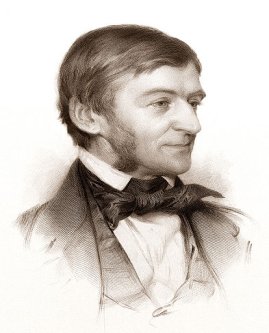
Ralph Waldo Emerson
Essays of self trust and civic hope; clear sentences that turn into tools.