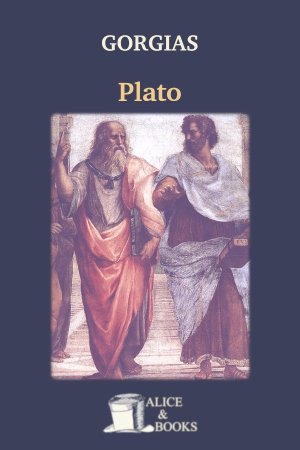
Gorgias
Gorgias is a Socratic dialogue by Plato, first published in 320 B.C.
Set amid a public display of oratory, it asks whether persuasive speech is a true craft grounded in knowledge or merely a knack for pleasing that imitates justice.
Through exchanges with the rhetorician Gorgias and his bold supporters Polus and Callicles, Socrates pushes the question from technique to morality. The conversation probes whether success and power justify themselves, or whether rhetoric without truth corrupts both speaker and city.
As the debate turns to pleasure, pain, and self-control, the dialogue argues that doing injustice is worse than suffering it and that self-mastery is better than indulging desire. Persuasion severed from knowledge and virtue, it suggests, leads to a disordered soul.
The work closes with a vivid myth of final judgment, reinforcing the claim that a good life is measured by justice and truth, not applause. Clear, combative, and deeply reflective, it remains a cornerstone text on ethics, politics, and the limits of persuasive speech.
This edition of Gorgias is based on Benjamin Jowett's translation.
Socrates: Come, then, and let us see what we really mean about rhetoric; for I do not know what my own meaning is as yet. When the assembly meets to elect a physician or a shipwright or any other craftsman, will the rhetorician be taken into counsel? Surely not.
Your download has started
PDF · Gorgias — didn't start? Download again
Also available: PDF · EPUB · MOBI · Read online
Read it on a Kindle
Download the EPUB and send it with Amazon's Send to Kindle (web, app, or your kindle.com email). Modern Kindles accept EPUB directly — no conversion needed.
On iPhone or iPad
Tap the downloaded file, then "Open in Books". It opens in Apple Books, with your reading progress synced across your devices.
On Android
Open the file with Google Play Books or any EPUB reader (ReadEra, Moon+ Reader). PDFs open in any viewer.
On your computer
PDFs open anywhere. For EPUB, try Calibre or Thorium Reader — both free and excellent.
Public domain (US)·No sign-up·DRM-free·Real text, not scans
Copyright note. Gorgias by Plato is believed to be in the public domain in the United States only. It may still be copyrighted in other countries. If you are not in the United States, please check your local laws to ensure this eBook is in the public domain in your country before downloading Gorgias in PDF or EPUB.
- Pages
- 158
- Reading time
- 4 hours 57 minutes
- Pace
- Intermediate
- First published
- -380
- Language
- Ancient Greek
- Downloads
- 2,291
2406 years later, still timely
Why Read Gorgias in 2026?
What’s the difference between persuading and being right? Plato stages a debate on rhetoric, pleasure, and responsibility that maps cleanly onto modern media.
Today's connection
A seminar in how arguments work—and fail. You’ll hear every panel show and comment thread prefigured here, then learn to ask better questions.
Rhetoric unmasked
Style, charm, and pressure.
Justice as aim
Ends that words must serve.
Socratic method
Clarify terms; test claims.
Share this book
About the author
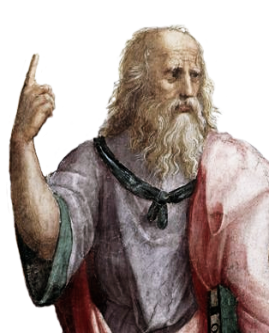
Plato
Dialogues that teach thinking; reason, myth, and civic life explored in living talk.