Life Without Principle
Life Without Principle is an essay written by Henry David Thoreau and first published in 1863.
"At a lyceum, not long since, I felt that the lecturer had chosen a theme too foreign to himself, and so failed to interest me as much as he might have done. He described things not in or near to his heart, but toward his extremities and superficies. There was, in this sense, no truly central or centralizing thought in the lecture. "
Your download has started
PDF · Life Without Principle — didn't start? Download again
Also available: PDF · EPUB · Read online
Read it on a Kindle
Download the EPUB and send it with Amazon's Send to Kindle (web, app, or your kindle.com email). Modern Kindles accept EPUB directly — no conversion needed.
On iPhone or iPad
Tap the downloaded file, then "Open in Books". It opens in Apple Books, with your reading progress synced across your devices.
On Android
Open the file with Google Play Books or any EPUB reader (ReadEra, Moon+ Reader). PDFs open in any viewer.
On your computer
PDFs open anywhere. For EPUB, try Calibre or Thorium Reader — both free and excellent.
Public domain (US)·No sign-up·DRM-free·Real text, not scans
Copyright note. Life Without Principle by Henry David Thoreau is believed to be in the public domain in the United States only. It may still be copyrighted in other countries. If you are not in the United States, please check your local laws to ensure this eBook is in the public domain in your country before downloading Life Without Principle in PDF or EPUB.
- Pages
- 21
- Reading time
- 40 minutes
- Pace
- Intermediate
- First published
- 1863
- Language
- English
163 years later, still timely
Why Read Life Without Principle in 2026?
Against busywork and for a life that pays in attention. Thoreau asks what work is worth if it costs your day, your mind, or your integrity.
Today's connection
Short enough for a commute, strong enough to reframe a week. Useful for discussions about money, media, and what counts as honest labor.
Craft over hustle
Make fewer things, better.
Value clarified
Income is not the only metric.
Room to think
Silence and nature as resources.
Share this book
About the author
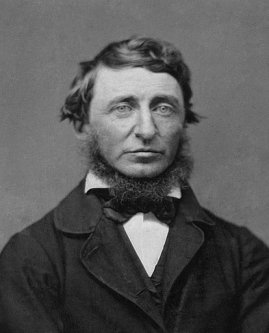
Henry David Thoreau
Attention simplicity and civil conscience; a manual for deliberate living.