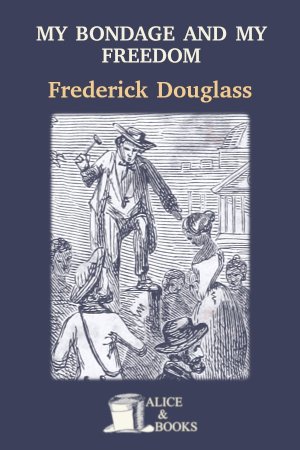
My Bondage and My Freedom
My Bondage and My Freedom is an autobiographical narrative written by Frederick Douglass, in 1855.
This is the second autobiography of former slave Frederick Douglass, following the publication of Narrative of the Life of Frederick Douglass, an American Slave.
Douglass, through the memories of his childhood and youth, describes all the hypocrisy and human evil that he observed during his time as a slave and how this affected him at all levels of his life.
He details how he understood what it really meant to be a slave and how he had to overcome his environment and improve himself.
"In Talbot county, Eastern Shore, Maryland, near Easton, the county town of that county, there is a small district of country, thinly populated, and remarkable for nothing that I know of more than for the worn-out, sandy, desert-like appearance of its soil, the general dilapidation of its farms and fences, the indigent and spiritless character of its inhabitants, and the prevalence of ague and fever".
Your download has started
PDF · My Bondage and My Freedom — didn't start? Download again
Also available: PDF · EPUB · MOBI · Read online
Read it on a Kindle
Download the EPUB and send it with Amazon's Send to Kindle (web, app, or your kindle.com email). Modern Kindles accept EPUB directly — no conversion needed.
On iPhone or iPad
Tap the downloaded file, then "Open in Books". It opens in Apple Books, with your reading progress synced across your devices.
On Android
Open the file with Google Play Books or any EPUB reader (ReadEra, Moon+ Reader). PDFs open in any viewer.
On your computer
PDFs open anywhere. For EPUB, try Calibre or Thorium Reader — both free and excellent.
Public domain (US)·No sign-up·DRM-free·Real text, not scans
Copyright note. My Bondage and My Freedom by Frederick Douglass is believed to be in the public domain in the United States only. It may still be copyrighted in other countries. If you are not in the United States, please check your local laws to ensure this eBook is in the public domain in your country before downloading My Bondage and My Freedom in PDF or EPUB.
- Pages
- 354
- Reading time
- 11 hours 20 minutes
- Pace
- Intermediate
- First published
- 1855
- Language
- English
171 years later, still timely
Why Read My Bondage and My Freedom in 2026?
Douglass’s second autobiography is larger in scope and fiercer in analysis. Beyond scenes of bondage and escape, it dissects power: literacy as liberation, religion as mask, and rhetoric as tool. The voice is exact and generous, documenting a mind that made freedom thinkable—and actionable.
Today's connection
Primary sources anchor conversations on race, rights, and republics. Douglass equips moral clarity, media literacy, and the courage to speak precisely.
Primary witness
History in its own voice.
Freedom toolkit
Education, rhetoric, action.
Ethics & power
Hypocrisy named, hope kept.
Share this book
About the author
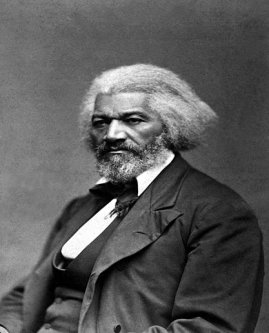
Frederick Douglass
Autobiography and speeches that make freedom, law, and dignity vivid and exact.