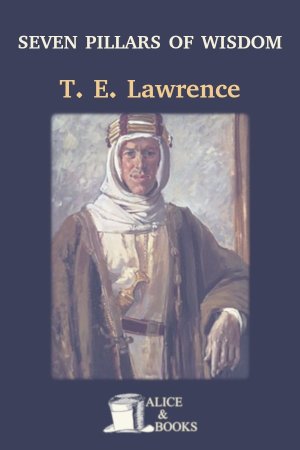
Seven Pillars of Wisdom
Seven Pillars of Wisdom is a memoir written by Thomas Edward Lawrence and first published in 1926, in a private edition for subscribers. In the book, the author narrates his experiences in the war of the British, French and Arabs against the Turks and Germans, during the First World War.
The stories narrated in the book focus on Arabia, in places such as Wejh, Aqaba, and Damascus. In that area the Ottoman Empire and the Germans deployed a strong line of defense.
The choice of the title of the book is not accidental, but comes from the Book of Proverbs, where wisdom builds her house and hews out her seven pillars.
Lawrence of Arabia, a historical drama film directed in 1962 by David Lean, is based on this book.
"Some Englishmen, of whom Kitchener was chief, believed that a rebellion of Arabs against Turks would enable England, while fighting Germany, simultaneously to defeat her ally Turkey."
Your download has started
PDF · Seven Pillars of Wisdom — didn't start? Download again
Also available: PDF · EPUB · MOBI · Read online
Read it on a Kindle
Download the EPUB and send it with Amazon's Send to Kindle (web, app, or your kindle.com email). Modern Kindles accept EPUB directly — no conversion needed.
On iPhone or iPad
Tap the downloaded file, then "Open in Books". It opens in Apple Books, with your reading progress synced across your devices.
On Android
Open the file with Google Play Books or any EPUB reader (ReadEra, Moon+ Reader). PDFs open in any viewer.
On your computer
PDFs open anywhere. For EPUB, try Calibre or Thorium Reader — both free and excellent.
Public domain (US)·No sign-up·DRM-free·Real text, not scans
Copyright note. Seven Pillars of Wisdom by T. E. Lawrence is believed to be in the public domain in the United States only. It may still be copyrighted in other countries. If you are not in the United States, please check your local laws to ensure this eBook is in the public domain in your country before downloading Seven Pillars of Wisdom in PDF or EPUB.
- Pages
- 626
- Reading time
- 21 hours 7 minutes
- Pace
- Intermediate
- First published
- 1926
- Language
- English
- Downloads
- 3,374
100 years later, still timely
Why Read Seven Pillars of Wisdom in 2026?
War memoirs rarely read like field manuals of perception. In "Seven Pillars of Wisdom" T. E. Lawrence records routes, rumors, and alliances with a writer’s eye and a logistician’s patience. It’s gripping because it doubts itself: myth and mud sit together, and leadership looks like listening before movement.
Today's connection
Coalitions and cross-cultural projects still hinge on trust, timing, and terrain. The book shows how intelligence is gathered, not granted, and how maps and narratives co-author decisions. Treat it as both literature and after-action report. You finish with a humbler, more practical sense of strategy.
Logistics and landscape
Routes, water, and distances decide outcomes. Terrain is a protagonist, not a backdrop.
Coalition craft
Alliances are negotiated daily in talk, gifts, and respect. Influence follows relationship.
Memoir and myth
The author interrogates his own legend. Self-scrutiny keeps the pages honest.
Share this book
About the author
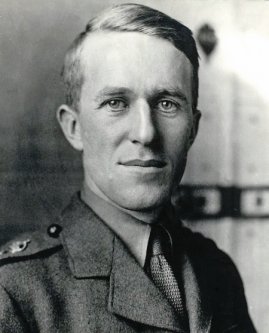
T. E. Lawrence
War and self scrutiny in exact prose; desert strategy, culture, and loyalty under strain.