The Jungle
The Jungle is a 1906 novel written by Upton Sinclair. The book exposes the misery of the working class, denounces the working and living conditions and the desperation that this context causes in the workers.
The novel presents us with the American dream of Lithuanian immigrant Jurgis Rudkus, who after emigrating to the United States begins to work in a slaughterhouse in Chicago. Contrary to what was expected, the working conditions are really harsh and they are barely able to survive. After getting into debt to buy a house, really humble, they can not pay the loan and are evicted losing the money they had paid.
Upton Sinclair was so involved in the making of the novel that he worked for several weeks on a Chicago ranch. Despite focusing the novel on the working conditions of workers, readers were more concerned about unhealthy practices in the meat industry.
The novel made Upton Sinclair known throughout the world and today it is recognized for the documentary power and the social change it caused, since a few years later the United States Congress approved the first food safety laws.
"It was four o’clock when the ceremony was over and the carriages began to arrive. There had been a crowd following all the way, owing to the exuberance of Marija Berczynskas. The occasion rested heavily upon Marija’s broad shoulders—it was her task to see that all things went in due form, and after the best home traditions; and, flying wildly hither and thither, bowling every one out of the way, and scolding and exhorting all day with her tremendous voice, Marija was too eager to see that others conformed to the proprieties to consider them herself."
Your download has started
PDF · The Jungle — didn't start? Download again
Also available: PDF · EPUB · MOBI · Read online
Read it on a Kindle
Download the EPUB and send it with Amazon's Send to Kindle (web, app, or your kindle.com email). Modern Kindles accept EPUB directly — no conversion needed.
On iPhone or iPad
Tap the downloaded file, then "Open in Books". It opens in Apple Books, with your reading progress synced across your devices.
On Android
Open the file with Google Play Books or any EPUB reader (ReadEra, Moon+ Reader). PDFs open in any viewer.
On your computer
PDFs open anywhere. For EPUB, try Calibre or Thorium Reader — both free and excellent.
Public domain (US)·No sign-up·DRM-free·Real text, not scans
Copyright note. The Jungle by Upton Sinclair is believed to be in the public domain in the United States only. It may still be copyrighted in other countries. If you are not in the United States, please check your local laws to ensure this eBook is in the public domain in your country before downloading The Jungle in PDF or EPUB.
- Pages
- 379
- Reading time
- 12 hours 34 minutes
- Pace
- Intermediate
- First published
- 1906
- Language
- English
- Downloads
- 2,185
120 years later, still timely
Why Read The Jungle in 2026?
A blistering expose of meatpacking—grit, grief, and organizing in a system built to grind people down.
Today's connection
Labor rights, supply chains, and ethical eating are still hot. This novel started reforms; it can spark fresh debates.
Industrial shock
You can almost smell it.
Justice & work
Wages, safety, dignity.
Collective power
How change happens.
These collections include The Jungle
Share this book
About the author
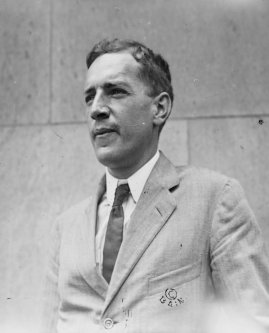
Upton Sinclair
Muckraking energy that links factory, family, and law; narrative built to move policy.