The Man Who Would Be King
The Man Who Would Be King is an adventure novella written by Rudyard Kipling in 1888.
The story, set in 19th century India, presents the story of two characters who cross paths with the narrator and ask for his help to achieve their great goal: to become the kings of Kafiristan (a remote part of northeastern Afghanistan).
The narrator, who is an alter ego of Rudyard Kipling himself, is a journalist based in India at the time when it was a colony of the United Kingdom. He tells how he crosses paths at different points in the story with these two Englishmen, motivated in equal parts by adventure and greed.
However, this couple will not know the consequences that embarking on this project can bring...
The story is based on a true story of a British man named James Brooke who became the first Rajah of Sarawak in Borneo.
"Brother to a Prince and fellow to a beggar if he be found worthy. The Law, as quoted, lays down a fair conduct of life, and one not easy to follow. I have been fellow to a beggar again and again under circumstances which prevented either of us finding out whether the other was worthy".
This edition of The Man Who Would Be King is based on Brentano’s at 31 Union Square, New York edition.
Your download has started
PDF · The Man Who Would Be King — didn't start? Download again
Also available: PDF · EPUB · MOBI · Read online
Read it on a Kindle
Download the EPUB and send it with Amazon's Send to Kindle (web, app, or your kindle.com email). Modern Kindles accept EPUB directly — no conversion needed.
On iPhone or iPad
Tap the downloaded file, then "Open in Books". It opens in Apple Books, with your reading progress synced across your devices.
On Android
Open the file with Google Play Books or any EPUB reader (ReadEra, Moon+ Reader). PDFs open in any viewer.
On your computer
PDFs open anywhere. For EPUB, try Calibre or Thorium Reader — both free and excellent.
Public domain (US)·No sign-up·DRM-free·Real text, not scans
Copyright note. The Man Who Would Be King by Rudyard Kipling is believed to be in the public domain in the United States only. It may still be copyrighted in other countries. If you are not in the United States, please check your local laws to ensure this eBook is in the public domain in your country before downloading The Man Who Would Be King in PDF or EPUB.
- Pages
- 37
- Reading time
- 1 hour 12 minutes
- Pace
- Intermediate
- First published
- 1888
- Language
- English
138 years later, still timely
Why Read The Man Who Would Be King in 2026?
A taut expedition becomes an X-ray of ambition. Two friends chase a crown beyond the map, and the result is part adventure machine, part cautionary parable about conquest. The pace never slackens; the moral math grows heavier. Few novellas balance suspense and consequence this cleanly.
Today's connection
Empire, extraction, and leadership myths still haunt policy and pop culture. This story tests charisma against responsibility and shows how dreams turn dangerous.
Off the map
Frontiers, literal and moral.
Power examined
Ends vs. means, weighed.
Classic brevity
Lean, memorable, argued.
Share this book
About the author
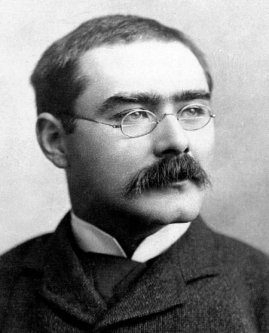
Rudyard Kipling
Adventure craft and cadence; empire era tales and poems that probe duty risk and identity.