The Murder at the Vicarage
The Murder at the Vicarage is a detective novel by Agatha Christie, first published in 1930.
Set in the quiet English village of St Mary Mead and narrated by the local vicar, it introduces readers to the seemingly peaceful world of parish life, where everyday routines and polite conversations hide much darker undercurrents.
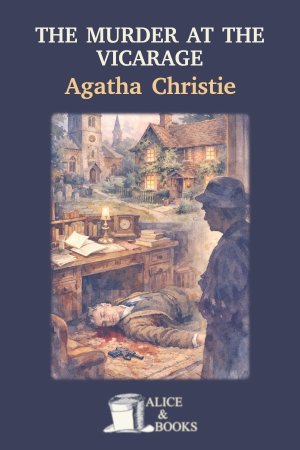
The story begins when the deeply disliked churchwarden is found shot in the vicar’s study, creating a shocking crime at the very heart of village respectability. Almost everyone in St Mary Mead had a reason to wish him dead, and several people even step forward to confess, leaving the police with a maze of conflicting alibis, lies, and half-truths that seem impossible to reconcile.
Into this confusion steps Miss Marple, the vicar’s observant neighbor, who quietly watches and listens while others rush to judgment. Using her knowledge of human nature and the patterns of village life, she turns casual gossip into clues that reveal hidden motives and unexpected connections, slowly peeling back the layers of the case until the real murderer is exposed.
The Murder at the Vicarage combines the charm of a village setting with a carefully constructed puzzle-plot, inviting readers to match wits with the detective and solve the crime themselves.
"It is difficult to know quite where to begin this story, but I have fixed my choice on a certain Wednesday at luncheon at the Vicarage. The conversation, though in the main irrelevant to the matter in hand, yet contained one or two suggestive incidents which influenced later developments."
Your download has started
PDF · The Murder at the Vicarage — didn't start? Download again
Also available: PDF · EPUB · Read online
Read it on a Kindle
Download the EPUB and send it with Amazon's Send to Kindle (web, app, or your kindle.com email). Modern Kindles accept EPUB directly — no conversion needed.
On iPhone or iPad
Tap the downloaded file, then "Open in Books". It opens in Apple Books, with your reading progress synced across your devices.
On Android
Open the file with Google Play Books or any EPUB reader (ReadEra, Moon+ Reader). PDFs open in any viewer.
On your computer
PDFs open anywhere. For EPUB, try Calibre or Thorium Reader — both free and excellent.
Public domain (US)·No sign-up·DRM-free·Real text, not scans
Copyright note. The Murder at the Vicarage by Agatha Christie is believed to be in the public domain in the United States only. It may still be copyrighted in other countries. If you are not in the United States, please check your local laws to ensure this eBook is in the public domain in your country before downloading The Murder at the Vicarage in PDF or EPUB.
- Pages
- 250
- Reading time
- 5 hours 54 minutes
- Pace
- Intermediate
- First published
- 1930
- Language
- English
Share this book
About the author

Agatha Christie
Ingenious plots and fair play clues that set the standard for mystery with crisp comedy.