The Story of Little Black Sambo
The Story of Little Black Sambo is a children's book written by Helen Bannerman and first published in 1899.
It tells the tale of a young boy named Sambo who ventures into the jungle wearing new clothes, shoes and an umbrella — gifts from his parents.
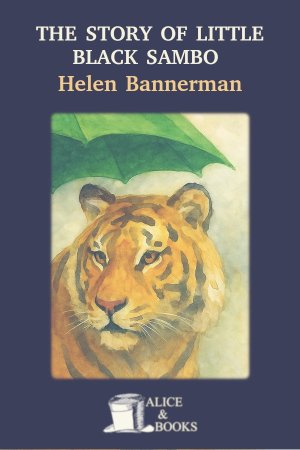
En route, he encounters four tigers, each of whom threatens to eat him unless he hands over one of his possessions.
Sambo outsmarts them by complying, and the tigers quarrel over the items of clothing, eventually chasing each other in a circle until they turn into butter. Sambo retrieves his belongings and returns home safely, where the tiger butter is used to make pancakes.
While the book was initially praised for its imaginative plot, it was later criticized for its racially insensitive illustrations and language. This has led to many adaptations and revisions over time.
"And Black Jumbo went to the Bazaar and bought him a beautiful Green Umbrella and a lovely little Pair of Purple Shoes with Crimson Soles and Crimson Linings. And then wasn't Little Black Sambo grand?"
This book is illustrated with original drawings.
Your download has started
PDF · The Story of Little Black Sambo — didn't start? Download again
Also available: PDF · EPUB · Read online
Read it on a Kindle
Download the EPUB and send it with Amazon's Send to Kindle (web, app, or your kindle.com email). Modern Kindles accept EPUB directly — no conversion needed.
On iPhone or iPad
Tap the downloaded file, then "Open in Books". It opens in Apple Books, with your reading progress synced across your devices.
On Android
Open the file with Google Play Books or any EPUB reader (ReadEra, Moon+ Reader). PDFs open in any viewer.
On your computer
PDFs open anywhere. For EPUB, try Calibre or Thorium Reader — both free and excellent.
Public domain (US)·No sign-up·DRM-free·Real text, not scans
Copyright note. The Story of Little Black Sambo by Helen Bannerman is believed to be in the public domain in the United States only. It may still be copyrighted in other countries. If you are not in the United States, please check your local laws to ensure this eBook is in the public domain in your country before downloading The Story of Little Black Sambo in PDF or EPUB.
- Pages
- 35
- Reading time
- 6 minutes
- Pace
- fast
- First published
- 1899
- Language
- English
127 years later, still timely
Why Read The Story of Little Black Sambo in 2026?
A famous picture-book narrative whose plot speed and turn-taking captivated generations—and whose racial caricature requires clear, explicit context. As literature, it's a compact trickster tale; as an artifact, it shows how illustration and naming shape harm. If you teach it, teach it critically and alongside restorative alternatives.
Today's connection
Best used for media literacy: how images travel, how words mark, how editions differ. Present with warnings, historical framing, and space for feelings. Prefer adapted tellings for young readers; use originals for adult-guided analysis.
Illustration matters
Pictures carry the sting as much as names. Compare editions and styles.
Context and reception
Trace how readers and critics responded over time. Explain why many editions changed.
Respectful practice
Center safety for children and communities. Choose age-appropriate alternatives.
Share this book
About the author
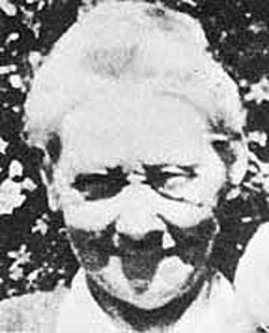
Helen Bannerman
Fast paced early picture tale whose lively form coexists with racial caricature; best read with context.