The Tale of Peter Rabbit
The Tale of Peter Rabbit is a children's book written and illustrated by Beatrix Potter privately printed in 1901 and published commercially by Frederick Warne in 1902.
Peter Rabbit, his mother and sisters are anthropomorphic rabbits who dress like humans and normally walk upright on their hind legs. However, they live in a burrow under a fir tree like normal rabbits.
The protagonist is the young, mischievous and disobedient Peter Rabbit. Warned by his mother to keep away, Peter squeezes under the gate of Mr. McGregor's garden and eats his fill of lettuces, French beans, and radishes.
Then Mr. McGregor spots him and gives chase. Peter gets away, but he leaves his shoes and his blue jacket behind in the garden and comes home with nothing but a stomachache.
The moral of the story is to obey your elders and not get into mischief.
Your download has started
PDF · The Tale of Peter Rabbit — didn't start? Download again
Also available: PDF · EPUB · MOBI · Read online
Read it on a Kindle
Download the EPUB and send it with Amazon's Send to Kindle (web, app, or your kindle.com email). Modern Kindles accept EPUB directly — no conversion needed.
On iPhone or iPad
Tap the downloaded file, then "Open in Books". It opens in Apple Books, with your reading progress synced across your devices.
On Android
Open the file with Google Play Books or any EPUB reader (ReadEra, Moon+ Reader). PDFs open in any viewer.
On your computer
PDFs open anywhere. For EPUB, try Calibre or Thorium Reader — both free and excellent.
Public domain (US)·No sign-up·DRM-free·Real text, not scans
Copyright note. The Tale of Peter Rabbit by Beatrix Potter is believed to be in the public domain in the United States only. It may still be copyrighted in other countries. If you are not in the United States, please check your local laws to ensure this eBook is in the public domain in your country before downloading The Tale of Peter Rabbit in PDF or EPUB.
- Pages
- 28
- Reading time
- 5 minutes
- Pace
- Fast
- First published
- 1901
- Language
- English
- Downloads
- 3,844
125 years later, still timely
Why Read The Tale of Peter Rabbit in 2026?
Curiosity, consequence, and comfort—Potter’s brisk tale turns mischief into learning and home into haven. Its charm is practical, not sugary.
Today's connection
For early readers, this story models boundaries, bravery, and recovery after mistakes. The drawings still teach attention; the prose still hums.
Nature alive
Gardens full of clues.
Gentle lessons
Rules explained by results.
Home as harbor
Kindness that steadies.
Share this book
About the author
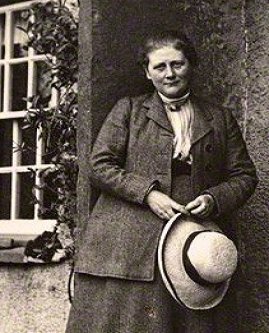
Beatrix Potter
Tender craft for early readers; animals with purpose humor and care.