
Black Beauty
Black Beauty is a novel by Anna Sewell, first published in 1877 and narrated in the first person by a horse.
Presented as the autobiographical memoir of a horse named Black Beauty, the story begins with his happy days as a colt on an English farm and follows the hardships of his later life pulling cabs in London.
Each chapter recounts an incident involving human cruelty or kindness, combining observations of horses’ behavior with lessons about sympathy, responsible ownership, and humane treatment.
By showing working conditions from the animal’s point of view, the novel helped draw public attention to horse welfare while extending its appeal for kindness and sympathy to human relationships.
The book became one of the best-known works about the humane treatment of animals and has been adapted repeatedly for film and television.
Your download has started
PDF · Black Beauty — didn't start? Download again
Also available: PDF · EPUB · MOBI · Read online
Read it on a Kindle
Download the EPUB and send it with Amazon's Send to Kindle (web, app, or your kindle.com email). Modern Kindles accept EPUB directly — no conversion needed.
On iPhone or iPad
Tap the downloaded file, then "Open in Books". It opens in Apple Books, with your reading progress synced across your devices.
On Android
Open the file with Google Play Books or any EPUB reader (ReadEra, Moon+ Reader). PDFs open in any viewer.
On your computer
PDFs open anywhere. For EPUB, try Calibre or Thorium Reader — both free and excellent.
Public domain (US)·No sign-up·DRM-free·Real text, not scans
Copyright note. Black Beauty by Anna Sewell is believed to be in the public domain in the United States only. It may still be copyrighted in other countries. If you are not in the United States, please check your local laws to ensure this eBook is in the public domain in your country before downloading Black Beauty in PDF or EPUB.
- Pages
- 190
- Reading time
- 5 hours 3 minutes
- Pace
- Intermediate
- First published
- 1877
- Language
- English
- Downloads
- 4,375
149 years later, still timely
Why Read Black Beauty in 2026?
A horse tells the truth about work, pain, and kindness. Empathy training disguised as a story.
Today's connection
Still powerful for readers of any age. It links welfare to character and shows how small decisions add up to mercy or harm.
Compassion in action
Care is a daily choice.
Human–animal bond
Responsibility with love.
Humane reform
Stories that change norms.
These collections include Black Beauty


Inspiring female writers
Voices that transformed literature—women authors redefining form, freedom, and the lives of their characters.
Explore the collection →
Best Books of the 19th Century
The century’s defining works—from Gothic shadows and social epics to radical experiments in style.
Explore the collection →Share this book
About the author
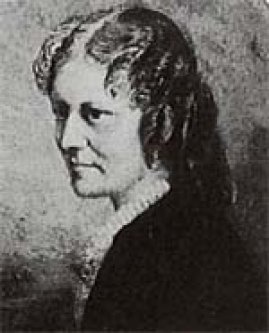
Anna Sewell
Empathy for animals and people; kindness as design in daily life.
If this one stays with you…

Under the LilacsLouisa May Alcott

Eight CousinsLouisa May Alcott

Jo's BoysLouisa May Alcott

Jack and JillLouisa May Alcott
From Black Beauty
Now I say that with cruelty and oppression it is everybody’s business to interfere when they see it.
If we could act a little more according to common sense, and a good deal less according to fashion, we should find many things work easier.
We have no right to distress any of God’s creatures without a very good reason; we call them dumb animals, and so they are, for they cannot tell us how they feel, but they do not suffer less because they have no words.
I felt from the first that what he wanted was to wear all the spirit out of me, and just make me into a quiet, humble, obedient piece of horseflesh. `Horseflesh'! Yes, that is all that he thought about," and Ginger stamped her foot as if the very thought of him made her angry.
Master said, God had given men reason, by which they could find out things for themselves; but he had given animals knowledge which did not depend on reason, and which was much more prompt and perfect in its way, and by which they had often saved the lives of men.