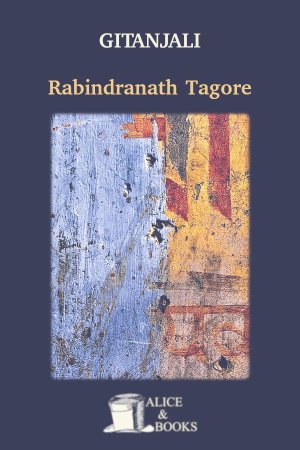
Gitanjali
Gitanjali is a collection of poems written by Rabindranath Tagore in 1910. With this work, the writer won the Nobel Prize for Literature in 1913.
In Gitanjali, Tagore reflects on the smallness of man in the face of nature and the Creator. The poems lead us to imagine nature or God and offer a sense of wonder at beauty and divinity.
They deal with themes such as life, death, faith, religion, and even work and poverty.
The more than one hundred poems in this book were written in Bengali and translated into English by Tagore himself. Delve into the essence of the human connection to the divine through this moving journey, where each poem is a soul-lifting gem.
"Thou hast made me endless, such is thy pleasure. This frail vessel thou emptiest again and again, and fillest it ever with fresh life."
Your download has started
PDF · Gitanjali — didn't start? Download again
Also available: PDF · EPUB · MOBI · Read online
Read it on a Kindle
Download the EPUB and send it with Amazon's Send to Kindle (web, app, or your kindle.com email). Modern Kindles accept EPUB directly — no conversion needed.
On iPhone or iPad
Tap the downloaded file, then "Open in Books". It opens in Apple Books, with your reading progress synced across your devices.
On Android
Open the file with Google Play Books or any EPUB reader (ReadEra, Moon+ Reader). PDFs open in any viewer.
On your computer
PDFs open anywhere. For EPUB, try Calibre or Thorium Reader — both free and excellent.
Public domain (US)·No sign-up·DRM-free·Real text, not scans
Copyright note. Gitanjali by Rabindranath Tagore is believed to be in the public domain in the United States only. It may still be copyrighted in other countries. If you are not in the United States, please check your local laws to ensure this eBook is in the public domain in your country before downloading Gitanjali in PDF or EPUB.
- Pages
- 70
- Reading time
- 1 hour 14 minutes
- Pace
- Intermediate
- First published
- 1910
- Language
- Bengali
- Downloads
- 5,178
116 years later, still timely
Why Read Gitanjali in 2026?
Short hymns that sound like fresh air—plain, luminous, and sincere. Tagore pairs gratitude with longing, inviting a daily pause that steadies attention without dogma, read aloud.
Today's connection
Read a page in the morning or at dusk: the poems offer reverence without rigidity and hope without denial. They make space for quiet, which modern days rarely grant.
Lyric devotion
Songlike lines that welcome any reader.
Calm in brief
A few sentences can reset a day.
Simple, not simple-minded
Clarity that deepens on re-reading.
These collections include Gitanjali

Share this book
About the author
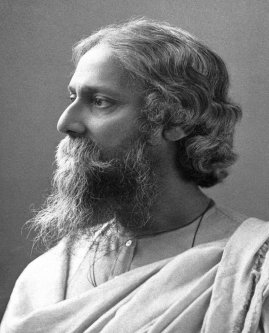
Rabindranath Tagore
Poetry, stories, and essays where love, work, and freedom sing in lucid lines.