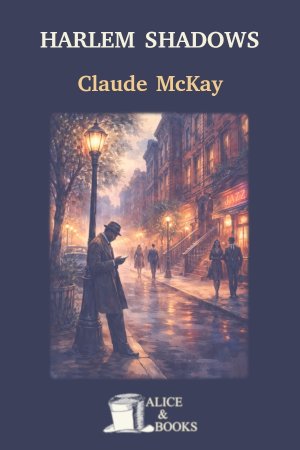
Harlem Shadows
Harlem Shadows is a poetry collection written by Claude McKay and first published in 1922 and often seen as one of the foundational works of the Harlem Renaissance.
In these poems, McKay brings together his experiences as a Jamaican-born writer living in the United States, capturing both the shock of American racism and the memories of a more rural, Caribbean childhood.
The title poem, Harlem Shadows, follows Black women walking the streets of Harlem at night, forced into sex work by poverty and discrimination. Through vivid urban images and musical rhyme, McKay offers a compassionate but unflinching look at life on the margins, exposing how racism and economic hardship shape even the most intimate corners of the city.
Across the collection, McKay moves from fiercely political pieces like If We Must Die and The Lynching to more lyrical poems such as The Tropics of New York, where a simple glimpse of fruit in a window awakens homesickness for Jamaica. Together, these works form a powerful portrait of Black life and struggle in the early twentieth century, mixing racial protest, spiritual doubt, love, exile, and everyday scenes from both Harlem and the Caribbean.
By blending traditional forms like the sonnet with direct, modern language, McKay created poems that are at once elegant and urgent. His voice of resistance, dignity, and longing makes Harlem Shadows an essential collection for readers interested in the history of racism, migration, and Black artistic expression—and a key doorway into the broader world of the Harlem Renaissance.
"Far from this foreign Easter damp and chilly
My soul steals to a pear-shaped plot of ground,
Where gleamed the lilac-tinted Easter lily
Soft-scented in the air for yards around;
Alone, without a hint of guardian leaf!
Just like a fragile bell of silver rime,
It burst the tomb for freedom sweet and brief
In the young pregnant year at Eastertime;
And many thought it was a sacred sign,
And some called it the resurrection flower;
And I, a pagan, worshiped at its shrine,
Yielding my heart unto its perfumed power."
Your download has started
PDF · Harlem Shadows — didn't start? Download again
Also available: PDF · EPUB · Read online
Read it on a Kindle
Download the EPUB and send it with Amazon's Send to Kindle (web, app, or your kindle.com email). Modern Kindles accept EPUB directly — no conversion needed.
On iPhone or iPad
Tap the downloaded file, then "Open in Books". It opens in Apple Books, with your reading progress synced across your devices.
On Android
Open the file with Google Play Books or any EPUB reader (ReadEra, Moon+ Reader). PDFs open in any viewer.
On your computer
PDFs open anywhere. For EPUB, try Calibre or Thorium Reader — both free and excellent.
Public domain (US)·No sign-up·DRM-free·Real text, not scans
Copyright note. Harlem Shadows by Claude McKay is believed to be in the public domain in the United States only. It may still be copyrighted in other countries. If you are not in the United States, please check your local laws to ensure this eBook is in the public domain in your country before downloading Harlem Shadows in PDF or EPUB.
- Pages
- 97
- Reading time
- 1 hour 1 minutes
- Pace
- Varied
- First published
- 1922
- Language
- English
104 years later, still timely
Why Read Harlem Shadows in 2026?
McKay pours protest, exile, and longing into strict sonnets and singing rhyme. A glimpse of fruit in a shop window summons Jamaica; a Harlem night reveals what poverty demands of Black women on the margins. Elegant form, urgent matter—each poem lands twice.
Today's connection
Migration, belonging, and dignity under pressure are live questions; McKay gives them a form that is both beautiful and blunt, protest you can hear as music.
Protest in form
Fury inside strict sonnets.
Double homeland
Harlem and Jamaica at once.
Musical lines
Rhyme built to be heard.
Share this book
About the author
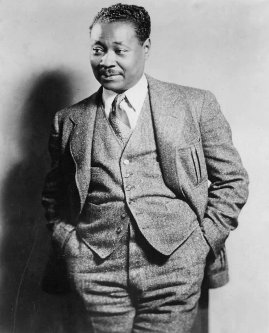
Claude McKay
Harlem Renaissance fire in sonnet form; exile, pride, and defiance made lyric.