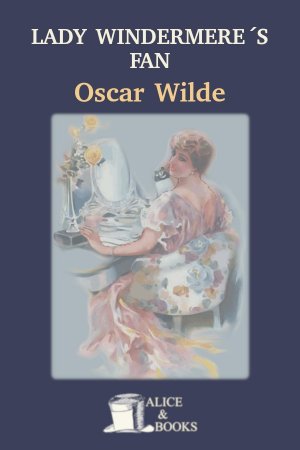
Lady Windermere's Fan
Lady Windermere's Fan is a comedy of manners by Oscar Wilde, first performed in 1892.
Set in glittering London society, the plot turns on whispered rumors of marital betrayal and a mysterious woman whose sudden arrival unsettles the social order. A delicately embroidered fan becomes the spark for misunderstandings, exposing the perilous power of reputation and gossip.
As secrets collide, an unexpected act of self-sacrifice tests the limits of propriety and challenges simple notions of right and wrong. Wilde contrasts appearance versus reality, suggesting that empathy can be wiser than rigid respectability.
With epigrams that dazzle and scenes that cut to the quick, the play skewers moral hypocrisy and double standards while defending the possibility of mercy over judgment. The result is a sparkling social satire that still feels disarmingly modern.
"SCENE
Morning-room of Lord Windermere’s house in Carlton House Terrace. Doors C. and R. Bureau with books and papers R. Sofa with small tea-table L. Window opening on to terrace L. Table R.
[Lady Windermere is at table R., arranging roses in a blue bowl.]
[Enter Parker.]
Parker. Is your ladyship at home this afternoon?
Lady Windermere. Yes—who has called?
Parker. Lord Darlington, my lady.
Lady Windermere. [Hesitates for a moment.] Show him up—and I’m at home to any one who calls.
Parker. Yes, my lady."
Your download has started
PDF · Lady Windermere's Fan — didn't start? Download again
Also available: PDF · EPUB · MOBI · Read online
Read it on a Kindle
Download the EPUB and send it with Amazon's Send to Kindle (web, app, or your kindle.com email). Modern Kindles accept EPUB directly — no conversion needed.
On iPhone or iPad
Tap the downloaded file, then "Open in Books". It opens in Apple Books, with your reading progress synced across your devices.
On Android
Open the file with Google Play Books or any EPUB reader (ReadEra, Moon+ Reader). PDFs open in any viewer.
On your computer
PDFs open anywhere. For EPUB, try Calibre or Thorium Reader — both free and excellent.
Public domain (US)·No sign-up·DRM-free·Real text, not scans
Copyright note. Lady Windermere's Fan by Oscar Wilde is believed to be in the public domain in the United States only. It may still be copyrighted in other countries. If you are not in the United States, please check your local laws to ensure this eBook is in the public domain in your country before downloading Lady Windermere's Fan in PDF or EPUB.
- Pages
- 65
- Reading time
- 1 hour 40 minutes
- Pace
- Intermediate
- First published
- 1893
- Language
- English
- Downloads
- 2,940
133 years later, still timely
Why Read Lady Windermere's Fan in 2026?
Wilde’s comedy snaps like a fan: gossip, generosity, and the risk of being seen too clearly. The epigrams glitter, but the play’s heart is mercy. Reputation is the plot and forgiveness the twist.
Today's connection
Public image and private truth collide daily. This play argues for discretion, second chances, and wit as a humane defense.
Manners with bite
Laugh while rethinking judgment.
Mercy wins
Kindness outruns scandal.
Gaze politics
Who gets to be seen, how.
Share this book
About the author
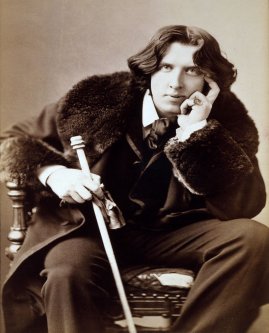
Oscar Wilde
Paradox with poise; style used as ethics, defense, and delight in public life.