Manfred: A dramatic poem
Manfred: A dramatic poem is a three-act closet drama in verse by Lord Byron, first published in 1817. Its Alpine supernaturalism stages an inward drama of guilt rather than a conventional theatrical plot.
Manfred, an isolated noble tormented by an unnamed transgression involving Astarte, summons elemental spirits and demands oblivion. They can offer power but cannot erase memory, making forgetfulness the impossible request that drives his encounters.
A Chamois Hunter interrupts Manfred's attempted self-destruction; the Witch of the Alps, Arimanes, Nemesis, and Astarte then draw him further into a world he refuses to obey. Even the Abbot's offer of reconciliation meets defiance toward spiritual authority.
Byron combines dramatic dialogue, lyric invocation, and mountain landscape around a protagonist who will neither confess fully nor submit. The resulting Byronic hero embodies self-punishment without surrender, turning external spirits into forms of a conflict he cannot escape.
"The lamp must be replenish'd, but even then
It will not burn so long as I must watch:
My slumbers—if I slumber—are not sleep,
But a continuance of enduring thought,
Which then I can resist not: in my heart
There is a vigil, and these eyes but close
To look within; and yet I live, and bear
The aspect and the form of breathing men."
Your download has started
PDF · Manfred: A dramatic poem — didn't start? Download again
Also available: PDF · EPUB · MOBI · Read online
Read it on a Kindle
Download the EPUB and send it with Amazon's Send to Kindle (web, app, or your kindle.com email). Modern Kindles accept EPUB directly — no conversion needed.
On iPhone or iPad
Tap the downloaded file, then "Open in Books". It opens in Apple Books, with your reading progress synced across your devices.
On Android
Open the file with Google Play Books or any EPUB reader (ReadEra, Moon+ Reader). PDFs open in any viewer.
On your computer
PDFs open anywhere. For EPUB, try Calibre or Thorium Reader — both free and excellent.
Public domain (US)·No sign-up·DRM-free·Real text, not scans
Copyright note. Manfred: A dramatic poem by Lord Byron is believed to be in the public domain in the United States only. It may still be copyrighted in other countries. If you are not in the United States, please check your local laws to ensure this eBook is in the public domain in your country before downloading Manfred: A dramatic poem in PDF or EPUB.
- Pages
- 67
- Reading time
- 1 hour 2 minutes
- Pace
- Intermediate
- First published
- 1817
- Language
- English
209 years later, still timely
Why Read Manfred in 2026?
High in the Alps, a guilty soul defies heaven and hell with terrible clarity. Byron’s verse is glacier-bright—gothic, defiant, and tender toward grief that will not be managed.
Today's connection
When self-reliance becomes isolation, this poem asks what strength is for. It treats remorse seriously and autonomy without swagger, reminding us that some storms are weathered, not solved.
Gothic sublime
Mountains echo what conscience says.
Defiance with cost
Power that refuses comfort.
Language as ice
Cut glass lines that still burn.
Share this book
About the author
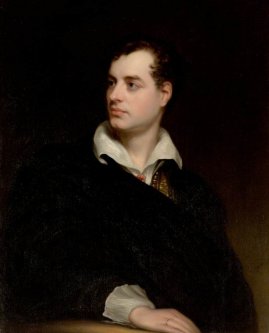
Lord Byron
Romantic flame and satiric bite; persona, travel, and song at full charge.