Tarzan and the Golden Lion
Tarzan and the Golden Lion is an adventure novel by Edgar Rice Burroughs, first serialized in 1922–23 and published in book form in 1923. It is the ninth Tarzan novel. Its title refers to Jad-bal-ja, the lion Tarzan raises from a cub and trains as a powerful companion.
After the Greystoke family returns to its African estate, a group of conspirators exploits Tarzan's appearance and movements. The criminal Esteban Miranda bears an uncanny resemblance to the ape-man, making impersonation another weapon in a plot driven by money and revenge.
Drugged and abandoned, Tarzan falls into the hands of the priests of Opar. La, the high priestess, again refuses to sacrifice him, and the two flee toward a remote valley while Jad-bal-ja follows their trail. Behind them, betrayal unsettles Opar and the estate.
The novel combines the lost-city mythology of Opar with pursuit, mistaken identity, and animal partnership. Tarzan's command of the jungle is tested not only by direct danger but by an enemy able to borrow his face, while the golden lion becomes an agent rather than an ornament.
"Sabor, the lioness, suckled her young—a single fuzzy ball, spotted like Sheeta, the leopard. She lay in the warm sunshine before the rocky cavern that was her lair, stretched out upon her side with half closed eyes, yet Sabor was alert. There had been three of these little, fuzzy balls at first—two daughters and a son—and Sabor and Numa, their sire, had been proud of them; proud and happy."
Your download has started
PDF · Tarzan and the Golden Lion — didn't start? Download again
Also available: PDF · EPUB · MOBI · Read online
Read it on a Kindle
Download the EPUB and send it with Amazon's Send to Kindle (web, app, or your kindle.com email). Modern Kindles accept EPUB directly — no conversion needed.
On iPhone or iPad
Tap the downloaded file, then "Open in Books". It opens in Apple Books, with your reading progress synced across your devices.
On Android
Open the file with Google Play Books or any EPUB reader (ReadEra, Moon+ Reader). PDFs open in any viewer.
On your computer
PDFs open anywhere. For EPUB, try Calibre or Thorium Reader — both free and excellent.
Public domain (US)·No sign-up·DRM-free·Real text, not scans
Copyright note. Tarzan and the Golden Lion by Edgar Rice Burroughs is believed to be in the public domain in the United States only. It may still be copyrighted in other countries. If you are not in the United States, please check your local laws to ensure this eBook is in the public domain in your country before downloading Tarzan and the Golden Lion in PDF or EPUB.
- Pages
- 225
- Reading time
- 6 hours 44 minutes
- Pace
- Intermediate
- First published
- 1923
- Language
- English
- Downloads
- 3,496
103 years later, still timely
Why Read Tarzan and the Golden Lion in 2026?
High-velocity pulp with moral choices. Beyond the chases and hidden treasure, Burroughs poses questions about loyalty, greed, and the stories empires tell.
Today's connection
Adventure still thrills, but context matters. Reading this now sharpens your sense for colonial tropes, lets you enjoy momentum, and invites a smarter conversation about heroism.
Wild momentum
Set pieces that sprint.
Lost worlds
Myth, jungle, treasure.
Ethical lens
Enjoy and interrogate.
Share this book
About the author
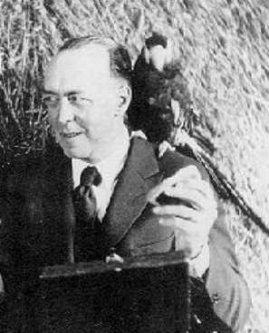
Edgar Rice Burroughs
Velocity and exotic horizons that set adventure pacing for a century of popular storytelling.