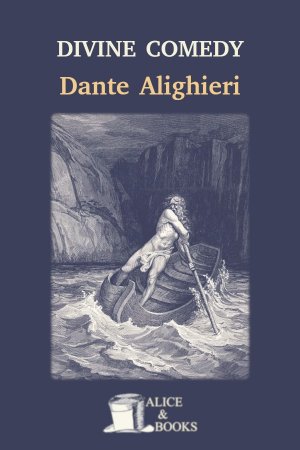
The Divine Comedy
The Divine Comedy is a poem written by Dante Alighieri between about 1308 and 1320, the year before his death, and the most important work of this writer. It is considered a masterpiece of Italian literature and universal literature.
The Divine Comedy is divided into several parts: Inferno (Hell), Purgatorio (Purgatory), and Paradiso (Paradise). In turn each part is composed in thirty-three 'cantos'. Each 'canto' is composed of stanzas of three hendecasyllabic lines. In addition to the introductory 'canto' they make a total of 100 'cantos'.
The protagonist of the poem is called Dante and personifies humanity and the temptation of sin. Other characters that appear in the poem are: Beatrice (represents faith) and Virgil (represents reason).
The book is full of symbols that reflect popular culture and knowledge in medieval times, in fields such as astronomy, mathematics or philosophy.
This edition of The Divine Comedy is based on the translation by Henry Wadsworth Longfellow.
Your download has started
PDF · The Divine Comedy — didn't start? Download again
Also available: PDF · EPUB · MOBI · Read online
Read it on a Kindle
Download the EPUB and send it with Amazon's Send to Kindle (web, app, or your kindle.com email). Modern Kindles accept EPUB directly — no conversion needed.
On iPhone or iPad
Tap the downloaded file, then "Open in Books". It opens in Apple Books, with your reading progress synced across your devices.
On Android
Open the file with Google Play Books or any EPUB reader (ReadEra, Moon+ Reader). PDFs open in any viewer.
On your computer
PDFs open anywhere. For EPUB, try Calibre or Thorium Reader — both free and excellent.
Public domain (US)·No sign-up·DRM-free·Real text, not scans
Copyright note. The Divine Comedy by Dante Alighieri is believed to be in the public domain in the United States only. It may still be copyrighted in other countries. If you are not in the United States, please check your local laws to ensure this eBook is in the public domain in your country before downloading The Divine Comedy in PDF or EPUB.
- Pages
- 438
- Reading time
- 9 hours 35 minutes
- Pace
- Intermediate
- First published
- 1320
- Language
- Italian
- Downloads
- 6,806
706 years later, still timely
Why Read The Divine Comedy in 2026?
A guided tour from confusion to clarity. “The Divine Comedy” maps a soul through consequence, cleansing, and vision with images you’ll keep forever. Read it as a structured reflection on choice, justice, and joy—art that enlarges moral imagination.
Today's connection
You move from the noise of error to the discipline of repair and finally to a vision of ordered love. Along the way Dante links politics, friendship, art, and faith into a moral atlas. Modern readers can treat each canto as a short meditation; annotations help but the poetry carries. Bring questions, not preconceptions. The journey format still works because the work is all of ours.
Map of the soul
From lost in a wood to oriented and bright.
Ethics made vivid
Punishments and joys teach by image, not lecture.
Tradition in motion
Classical and Christian voices converse, not cancel.
Share this book
About the author
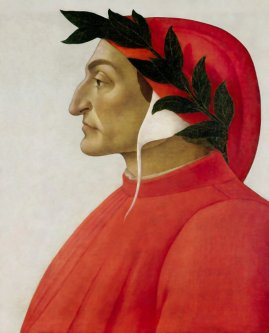
Dante Alighieri
Epic vision of justice, love, and language that shaped moral imagination across Europe.