The Lady Of The Lake
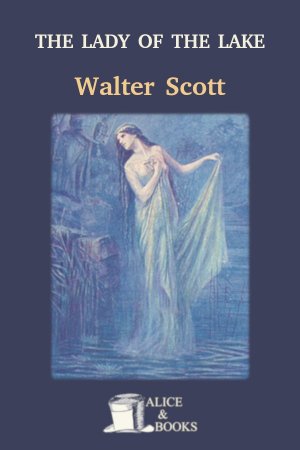
The Lady Of The Lake is a narrative poem by Sir Walter Scott, first published in 1810.
The poem has three parts, each described as a "canto". The poem's overall theme is the conflict between good and evil.
The poem's eponymous heroine, Ellen Douglas, is torn between two loves: her true love, Roderick Dhu, and her betrothed, Malcolm Graeme.
It is set in the Trossachs region of Scotland. It has three main plots: The struggle between three men to win the love of Ellen Douglas, the conflict and subsequent reconciliation between King James V of Scotland and James Douglas, and a war between the Lowland Scots versus the Highlanders.
The Lady Of The Lake was very popular in its time, and was one of the first to bring Scott to public attention. It has been credited with popularising the genre of the historical novel.
Your download has started
PDF · The Lady Of The Lake — didn't start? Download again
Also available: PDF · EPUB · MOBI · Read online
Read it on a Kindle
Download the EPUB and send it with Amazon's Send to Kindle (web, app, or your kindle.com email). Modern Kindles accept EPUB directly — no conversion needed.
On iPhone or iPad
Tap the downloaded file, then "Open in Books". It opens in Apple Books, with your reading progress synced across your devices.
On Android
Open the file with Google Play Books or any EPUB reader (ReadEra, Moon+ Reader). PDFs open in any viewer.
On your computer
PDFs open anywhere. For EPUB, try Calibre or Thorium Reader — both free and excellent.
Public domain (US)·No sign-up·DRM-free·Real text, not scans
Copyright note. The Lady Of The Lake by Walter Scott is believed to be in the public domain in the United States only. It may still be copyrighted in other countries. If you are not in the United States, please check your local laws to ensure this eBook is in the public domain in your country before downloading The Lady Of The Lake in PDF or EPUB.
- Pages
- 163
- Reading time
- 2 hours 39 minutes
- Pace
- Intermediate
- First published
- 1810
- Language
- English
- Downloads
- 2,297
216 years later, still timely
Why Read The Lady Of The Lake in 2026?
Clan feuds, lake light, horns in the hills—Scott’s swift narrative poem marries romance and pursuit. Its music carries you; its images stay like weather on skin.
Today's connection
A gateway to Scottish history and oral tradition. Read aloud or in short bursts: the poem blends ballad energy with courtly politics, showing how landscape and song shape identity.
Ballad momentum
Lines that move like marching tune.
Highland stage
Lochs, passes, and peril.
Clan & court
Hospitality, oaths, and rivalry.
Share this book
About the author

Walter Scott
Founder of the historical novel; nation memory and honor turned into brisk story.