Paradise Lost
Paradise Lost is a narrative poem written by John Milton and published in 1667. It is considered a classic of English literature and made John Milton very famous at the time. The main theme of the book is the confrontation between the free will of men and divine omnipotence.
The book tells us about the revolt organized in heaven by Satan, who is very jealous of Jesus, the son of God. For this revolt, Satan is condemned and sent to Hell.
Satan is really angry and out of revenge, he convinces Adam and Eve to taste the forbidden fruit from the tree of knowledge. That is why both are punished to leave paradise and become mortal. Later, Jesus decides to save humanity and accept all the blame by giving his life for it.
As a curiosity, John Milton was blind when he wrote this poem, so he did it through dictation to his daughters and assistants.
Your download has started
PDF · Paradise Lost — didn't start? Download again
Also available: PDF · EPUB · MOBI · Read online
Read it on a Kindle
Download the EPUB and send it with Amazon's Send to Kindle (web, app, or your kindle.com email). Modern Kindles accept EPUB directly — no conversion needed.
On iPhone or iPad
Tap the downloaded file, then "Open in Books". It opens in Apple Books, with your reading progress synced across your devices.
On Android
Open the file with Google Play Books or any EPUB reader (ReadEra, Moon+ Reader). PDFs open in any viewer.
On your computer
PDFs open anywhere. For EPUB, try Calibre or Thorium Reader — both free and excellent.
Public domain (US)·No sign-up·DRM-free·Real text, not scans
Copyright note. Paradise Lost by John Milton is believed to be in the public domain in the United States only. It may still be copyrighted in other countries. If you are not in the United States, please check your local laws to ensure this eBook is in the public domain in your country before downloading Paradise Lost in PDF or EPUB.
- Pages
- 309
- Reading time
- 6 hours 52 minutes
- Pace
- Intermediate
- First published
- 1667
- Language
- English
- Downloads
- 4,286
359 years later, still timely
Why Read Paradise Lost in 2026?
Rebellion, loss, and language big enough for heaven and hell. “Paradise Lost” marries soaring blank verse with intimate motives—ambition, loyalty, love. Read for rhetoric that still thunders and questions that still matter.
Today's connection
Milton makes arguments sing: Satan’s charisma, Eve’s courage, Adam’s grief. The poem is also a workshop in persuasion—how cadence, image, and example carry doctrine. Use a good gloss, read in episodes, and notice how often you pause at a line just to admire its power.
Rhetoric on stage
Speeches seduce and instruct at once.
Cosmic scale
Heaven, hell, and garden frame human choice.
Blank-verse craft
Music without rhyme that still lifts.
These collections include Paradise Lost

Share this book
About the author
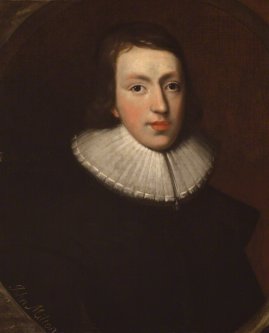
John Milton
Epic and argument together; freedom duty and loss in mighty music.