The House of the Dead
The House of the Dead is a novel by Fyodor Dostoevsky, first published in 1861.
Drawn from the author’s own years in a Siberian prison camp, it is a semi-autobiographical account of penal exile. The book turns lived hardship into testimony, observing routines, punishments, and the strange economies of survival within the stockade.
Rather than a single plot, the narrative unfolds as vignettes and character studies: portraits of convicts from every corner of the empire, scraps of folklore, furtive joys, and sudden cruelties. Through these fragments, Dostoevsky explores human dignity under coercion and the uneasy coexistence of brutality, humor, faith, and despair.
< p>Spare and unsentimental, the novel is both a critique of the tsarist penal system and a meditation on suffering and moral renewal. It anticipates themes that would shape Dostoevsky’s later masterpieces, revealing how endurance and empathy can persist where freedom does not."Our prison stood at the edge of the fortress grounds, close to the fortress wall. One would sometimes, through a chink in the fence, take a peep into God’s world to try and see something; but one could see only a strip of the sky and the high earthen wall overgrown with coarse weeds, and on the wall sentinels pacing up and down day and night."
This edition of the book The House of the Dead is based on the translation by Constance Garnett.
Your download has started
PDF · The House of the Dead — didn't start? Download again
Also available: PDF · EPUB · Read online
Read it on a Kindle
Download the EPUB and send it with Amazon's Send to Kindle (web, app, or your kindle.com email). Modern Kindles accept EPUB directly — no conversion needed.
On iPhone or iPad
Tap the downloaded file, then "Open in Books". It opens in Apple Books, with your reading progress synced across your devices.
On Android
Open the file with Google Play Books or any EPUB reader (ReadEra, Moon+ Reader). PDFs open in any viewer.
On your computer
PDFs open anywhere. For EPUB, try Calibre or Thorium Reader — both free and excellent.
Public domain (US)·No sign-up·DRM-free·Real text, not scans
Copyright note. The House of the Dead by Fyodor Dostoevsky is believed to be in the public domain in the United States only. It may still be copyrighted in other countries. If you are not in the United States, please check your local laws to ensure this eBook is in the public domain in your country before downloading The House of the Dead in PDF or EPUB.
- Pages
- 303
- Reading time
- 10 hours 37 minutes
- Pace
- Intermediate
- First published
- 1861
- Language
- Russian
- Downloads
- 2,625
165 years later, still timely
Why Read The House of the Dead in 2026?
From a Siberian prison, Dostoevsky writes the human face of punishment—petty cruelties, stubborn kindnesses, and a dignity that survives cold systems.
Today's connection
As justice systems worldwide reckon with reform, this memoir-novel supplies necessary nuance. It refuses caricature, insisting on complicated people rather than simple monsters.
Witness, not verdict
Attention humanizes.
Punishment questioned
What heals, what harms.
Mercy persists
Kindness in hard places.
Share this book
About the author
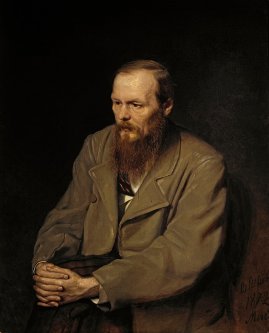
Fyodor Dostoevsky
Psychological depth and moral crisis under pressure; fiction that tests conscience, freedom, and society.