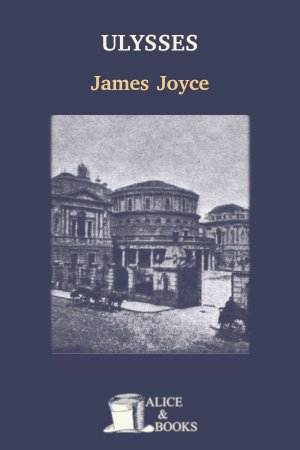
Ulysses
Ulysses is a novel by the Irish writer James Joyce, published in Paris in 1922 after its serialization in the United States was stopped by an obscenity prosecution.
The novel is a modern version of the Odyssey, and it follows Leopold Bloom, a Dublin advertising canvasser, through a single day: 16 June 1904. Alongside him are the young writer Stephen Dedalus, in the role of Telemachus, and Bloom's wife Molly, whose unpunctuated monologue closes the book.
Each episode is written in a different manner — newspaper headlines, a catechism, a hallucinatory night-town play — which is what makes the book both famous and difficult.
The book draws a number of parallels between Homer's epic poem, The Odyssey, and the novel, with structural correspondences between characters and experiences.
However, Joyce also uses the novel to explore broader themes, such as religion, philosophy, and art.
The novel is considered one of the most important works of the 20th century, and has influenced many other writers and artists.
Your download has started
PDF · Ulysses — didn't start? Download again
Also available: PDF · EPUB · MOBI · Read online
Read it on a Kindle
Download the EPUB and send it with Amazon's Send to Kindle (web, app, or your kindle.com email). Modern Kindles accept EPUB directly — no conversion needed.
On iPhone or iPad
Tap the downloaded file, then "Open in Books". It opens in Apple Books, with your reading progress synced across your devices.
On Android
Open the file with Google Play Books or any EPUB reader (ReadEra, Moon+ Reader). PDFs open in any viewer.
On your computer
PDFs open anywhere. For EPUB, try Calibre or Thorium Reader — both free and excellent.
Public domain (US)·No sign-up·DRM-free·Real text, not scans
Copyright note. Ulysses by James Joyce is believed to be in the public domain in the United States only. It may still be copyrighted in other countries. If you are not in the United States, please check your local laws to ensure this eBook is in the public domain in your country before downloading Ulysses in PDF or EPUB.
- Pages
- 672
- Reading time
- 22 hours 18 minutes
- Pace
- Slow
- First published
- 1922
- Language
- English
- Downloads
- 6,166
104 years later, still timely
Why Read Ulysses in 2026?
One day, one city, countless styles. “Ulysses” is difficult like a marathon, not a riddle: train, pace, and hydrate, and vistas appear. It rewards curious readers with humor, tenderness, and the most human ordinary hours in literature.
Today's connection
Treat it like a city tour with a smart friend. Use a guide, read aloud sometimes, and let episodes feel different on purpose: song, newsprint, catechism, play. What emerges is kindness, appetite, grief, and delight grounded in everyday errands. Start with a reading group; celebrate finishing chapters. The jokes are plentiful; the heart is large.
A day as epic
Errands become odyssey when watched closely.
Many forms, one life
Styles change to show angles of truth.
Ordinary mercy
Small generosities feel like revelations.
These collections include Ulysses



The Modern Library: 100 Best Novels
The 1998 list, in its own order — and which of the hundred we can legally give you.
Explore the collection →
Banned Classic Books
Each of these has an authority, a date and a reason attached. Where the famous story is wrong, the page says so.
Explore the collection →Share this book
About the author
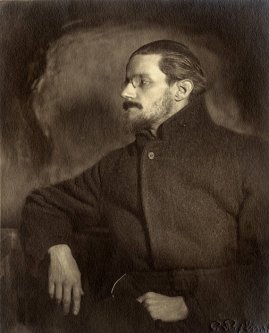
James Joyce
Everyday life made luminous through precise sound, attention, and experiment.