The Return of the Native
The Return of the Native is a novel by Thomas Hardy, first serialized and published in book form in 1878. Egdon Heath becomes a landscape shaping human desire.
Eustacia Vye dreams of escaping the heath and first looks to Damon Wildeve as a possible route outward. Wildeve's delayed marriage to Thomasin Yeobright, and the reddleman Diggory Venn's efforts on Thomasin's behalf, create a web of divided attachments.
The return of Clym Yeobright from Paris seems to answer Eustacia's hopes, but he wants to educate the people of Egdon rather than leave it. Their marriage, his failing eyesight, and conflict with his mother turn opposed futures into domestic tragedy.
Hardy's changing viewpoints give personal mistakes the force of accident without erasing responsibility. Bonfires, paths, weather, and the heath's deep time place brief lives against enduring place, while later editions preserve alternative possibilities around the ending.
"A Saturday afternoon in November was approaching the time of twilight, and the vast tract of unenclosed wild known as Egdon Heath embrowned itself moment by moment. Overhead the hollow stretch of whitish cloud shutting out the sky was as a tent which had the whole heath for its floor."
Your download has started
PDF · The Return of the Native — didn't start? Download again
Also available: PDF · EPUB · MOBI · Read online
Read it on a Kindle
Download the EPUB and send it with Amazon's Send to Kindle (web, app, or your kindle.com email). Modern Kindles accept EPUB directly — no conversion needed.
On iPhone or iPad
Tap the downloaded file, then "Open in Books". It opens in Apple Books, with your reading progress synced across your devices.
On Android
Open the file with Google Play Books or any EPUB reader (ReadEra, Moon+ Reader). PDFs open in any viewer.
On your computer
PDFs open anywhere. For EPUB, try Calibre or Thorium Reader — both free and excellent.
Public domain (US)·No sign-up·DRM-free·Real text, not scans
Copyright note. The Return of the Native by Thomas Hardy is believed to be in the public domain in the United States only. It may still be copyrighted in other countries. If you are not in the United States, please check your local laws to ensure this eBook is in the public domain in your country before downloading The Return of the Native in PDF or EPUB.
- Pages
- 417
- Reading time
- 12 hours 2 minutes
- Pace
- Intermediate
- First published
- 1878
- Language
- English
148 years later, still timely
Why Read The Return of the Native in 2026?
Egdon Heath holds the stage while restlessness, duty, and desire cross in tragic weather. Hardy’s irony is patient; his compassion is real. The characters do not symbolize—they ache. Place and fate argue until neither wins.
Today's connection
Mobility, ambition, and rootedness are contested again. This novel clarifies the bargains we strike with the places we call home.
Heath at center
Landscape as will.
Human tangle
Longing that refuses neatness.
Costs counted
Freedom vs. belonging.
Share this book
About the author
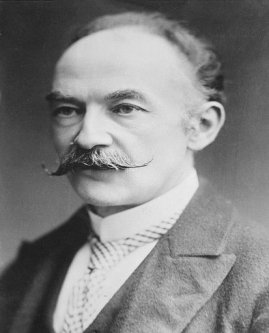
Thomas Hardy
Rural tragedy and tender irony; fate, class, and desire in exact prose.