Antigone
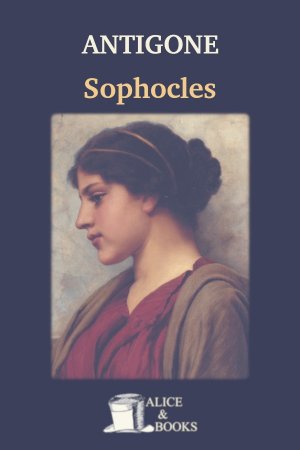
Antigone is a play written by Sophocles and first performed around 441 BC. It comes third in the story told by The Theban Plays, although Sophocles wrote it first.
Antigone is the protagonist of the tragedy. She is one of Oedipus' daughters and the story takes place after the stories in Oedipus Rex and Oedipus at Colonus , so we recommend reading the two previous plays first to get to know all the characters.
The story begins after her two brothers, Eteocles and Polynices, have killed each other on opposite sides of a war for Thebes. Creon, now ruler, buries one with honors and orders that Polynices be left unburied on the plain. Antigone rises up against this despotic and cruel authority, ignores the order and decides to bury her brother, arousing Creon's fury.
The play sets the individual against the state and asks what is owed to the law of the city and what is owed to the dead. In addition, it presents a rather strong female character in a social and political context where women had no place in it.
"ANTIGONE: Ismene, sister, mine own dear sister, knowest thou what ill there is, of all bequeathed by Oedipus, that Zeus fulfils not for us twain while we live? Nothing painful is there, nothing fraught with ruin, no shame, no dishonour, that I have not seen in thy woes and mine."
This edition of Sophocles' Antigone is based on the English translation by R. C. Jebb.
Your download has started
PDF · Antigone — didn't start? Download again
Also available: PDF · EPUB · MOBI · Read online
Read it on a Kindle
Download the EPUB and send it with Amazon's Send to Kindle (web, app, or your kindle.com email). Modern Kindles accept EPUB directly — no conversion needed.
On iPhone or iPad
Tap the downloaded file, then "Open in Books". It opens in Apple Books, with your reading progress synced across your devices.
On Android
Open the file with Google Play Books or any EPUB reader (ReadEra, Moon+ Reader). PDFs open in any viewer.
On your computer
PDFs open anywhere. For EPUB, try Calibre or Thorium Reader — both free and excellent.
Public domain (US)·No sign-up·DRM-free·Real text, not scans
Copyright note. Antigone by Sophocles is believed to be in the public domain in the United States only. It may still be copyrighted in other countries. If you are not in the United States, please check your local laws to ensure this eBook is in the public domain in your country before downloading Antigone in PDF or EPUB.
- Pages
- 45
- Reading time
- 1 hour 0 minutes
- Pace
- Intermediate
- First published
- -442
- Language
- Ancient Greek
- Downloads
- 4,073
2468 years later, still timely
Why Read Antigone in 2026?
Law says one thing, conscience another. A clear, fierce debate staged as tragedy.
Today's connection
Essential for discussions of duty, protest, and grief. It shows how private love collides with public order—and why courage can be both necessary and costly.
Law vs. conscience
Two rights in conflict.
Debate in verse
Arguments that still persuade.
Love and loss
Grief given dignity.
Share this book
About the author
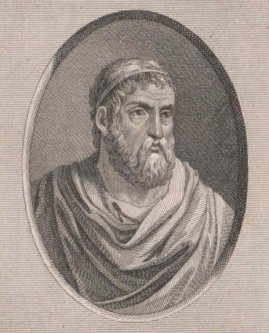
Sophocles
Tragedy with clear ethics; fate choice and speech tested in public.