Oedipus at Colonus
Oedipus at Colonus is a tragedy by Sophocles, first performed posthumously in 401 BCE. It is Sophocles's final Theban tragedy, written near the end of his life. In the story's chronology it follows Oedipus the King and precedes Antigone, although it was the last of the three plays to be composed.
Blind, exiled, and guided by his daughter Antigone, Oedipus reaches a sacred grove at Colonus, outside Athens. An oracle has told him that this will be his final resting place and that his grave will protect its host city, turning a destitute wanderer into a figure of political value.
King Theseus offers the protection of Athens, while Creon tries to force Oedipus back under Theban control and Polyneices seeks his blessing in the struggle against his brother. Oedipus refuses both claims, rescues his daughters through Theseus, and chooses where his power will remain.
The play brings exile, guilt, hospitality, family duty, and civic loyalty into a single last day. Oedipus does not undo his past, but Sophocles gives his suffering a new meaning: the outcast becomes a sacred guardian, and death becomes a mysterious form of belonging.
"OEDIPUS
Child of an old blind sire, Antigone,
What region, say, whose city have we reached?
Who will provide today with scanted dole
This wanderer? 'Tis little that he craves,
And less obtains—that less enough for me;
For I am taught by suffering to endure,
And the long years that have grown old with me,
And last not least, by true nobility."
This edition uses the English translation by F. Storr, from the 1912 Harvard University Press and William Heinemann edition.
Your download has started
PDF · Oedipus at Colonus — didn't start? Download again
Also available: PDF · EPUB · MOBI · Read online
Read it on a Kindle
Download the EPUB and send it with Amazon's Send to Kindle (web, app, or your kindle.com email). Modern Kindles accept EPUB directly — no conversion needed.
On iPhone or iPad
Tap the downloaded file, then "Open in Books". It opens in Apple Books, with your reading progress synced across your devices.
On Android
Open the file with Google Play Books or any EPUB reader (ReadEra, Moon+ Reader). PDFs open in any viewer.
On your computer
PDFs open anywhere. For EPUB, try Calibre or Thorium Reader — both free and excellent.
Public domain (US)·No sign-up·DRM-free·Real text, not scans
Copyright note. Oedipus at Colonus by Sophocles is believed to be in the public domain in the United States only. It may still be copyrighted in other countries. If you are not in the United States, please check your local laws to ensure this eBook is in the public domain in your country before downloading Oedipus at Colonus in PDF or EPUB.
- Pages
- 100
- Reading time
- 1 hour 12 minutes
- Pace
- Intermediate
- First published
- -401
- Language
- Ancient Greek
- Downloads
- 2,861
2427 years later, still timely
Why Read Oedipus at Colonus in 2026?
An exiled king seeks sanctuary and a final place to stand. The play is a meditation on dignity, forgiveness, and what a city owes the vulnerable. Less riddle than benediction, it closes a life with clarity and weight.
Today's connection
Care for elders, sanctuary policies, and civic honor are active debates. This tragedy gives language to responsibility without spectacle.
Dignity and care
Aging seen with respect.
Civic duty
Hospitality as justice.
Grave beauty
Solemn, spare, humane.
Share this book
About the author
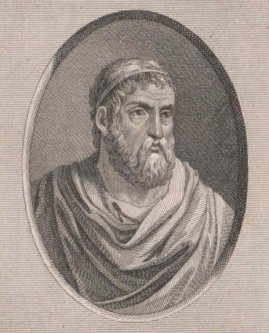
Sophocles
Tragedy with clear ethics; fate choice and speech tested in public.