
Tarzan of the Apes
Tarzan of the Apes, written by Edgar Rice Burroughs, is the first in a series of novels about the fictional character Tarzan. It was first published in a magazine in 1912 and as a book in 1914.
It all begins in 1888 on an expedition entrusted by the British crown to John Clayton, Lord Greystoke. This expedition intends to visit an African village in what is now Sierra Leone to try to resolve conflicts with the native inhabitants.
Clayton travels there, accompanied by his wife Alice, since she is pregnant and he does not want to miss the birth.
During the trip, some conflicts arise. The captain of the ship intended to assassinate a sailor, Black Michael, whose life Clayton saves and is indebted to him. The rest of the sailors mutiny and Black Michael keeps his promise and lets Clayton and his family live, but they are abandoned on a beach next to the jungle, along with their luggage and some food and tools.
The Claytons manage to survive and build a cabin. There, at three months, Alice gives birth to their child: a boy they call John. However, after the attack of a gorilla Alice is left with mental problems and eventually dies. Clayton is depressed but tries to continue living for his son.
In the jungle there is a tribe of great apes whose leader, Kerchak, kills the son of a member of the tribe named Kala in a fit of rage. A few days later, while exploring the jungle, he finds Clayton's cabin. Kerchak kills Clayton and, hearing the baby crying, Kala goes to him but instead of killing him she adopts him as her own son. She names him Tarzan, which means "white skin" in the Mangani language.
This is the Volume #1 of Tarzan Series
Your download has started
PDF · Tarzan of the Apes — didn't start? Download again
Also available: PDF · EPUB · MOBI · Read online
Read it on a Kindle
Download the EPUB and send it with Amazon's Send to Kindle (web, app, or your kindle.com email). Modern Kindles accept EPUB directly — no conversion needed.
On iPhone or iPad
Tap the downloaded file, then "Open in Books". It opens in Apple Books, with your reading progress synced across your devices.
On Android
Open the file with Google Play Books or any EPUB reader (ReadEra, Moon+ Reader). PDFs open in any viewer.
On your computer
PDFs open anywhere. For EPUB, try Calibre or Thorium Reader — both free and excellent.
Public domain (US)·No sign-up·DRM-free·Real text, not scans
Copyright note. Tarzan of the Apes by Edgar Rice Burroughs is believed to be in the public domain in the United States only. It may still be copyrighted in other countries. If you are not in the United States, please check your local laws to ensure this eBook is in the public domain in your country before downloading Tarzan of the Apes in PDF or EPUB.
- Pages
- 251
- Reading time
- 7 hours 11 minutes
- Pace
- Fast
- First published
- 1912
- Language
- English
- Downloads
- 2,806
114 years later, still timely
Why Read Tarzan of the Apes in 2026?
An origin myth of identity and wilderness: language learned, loyalties chosen, and strength tested against civilization.
Today's connection
Enjoy the pulp and interrogate the lens—great for discussing colonial tropes, nature vs. nurture, and found family.
Origin energy
Becoming who you are.
Belonging
Tribe, culture, choice.
Context aware
Adventure with critique.
These collections include Tarzan of the Apes



Share this book
About the author
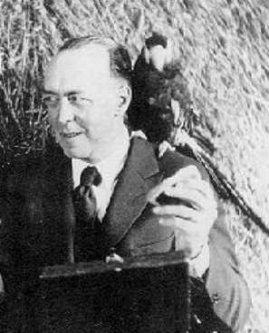
Edgar Rice Burroughs
Velocity and exotic horizons that set adventure pacing for a century of popular storytelling.
If this one stays with you…

Around the World in Eighty DaysJules Verne
A Winter amid the Ice and other Thrilli...Jules Verne
Don QuixoteMiguel de Cervantes
From the Earth to the MoonJules Verne
From Tarzan of the Apes
For myself, I always assume that a lion is ferocious, and so I am never caught off my guard.
His wild jungle life had inured him to the sight of dead and dying animals.
The time has arrived when patience becomes a crime and mayhem appears garbed in a manner of virtue
When Tarzan killed he more often smiled than scowled, and smiles are the foundation of beauty.
Love is a strange master, and human nature is still stranger.