The Idiot
The Idiot is a novel written by Fyodor Dostoevsky and first published in book form in 1869.
The book tells the story of a young man, Prince Myshkin, who is considered an idiot because of his innocence and childish trust in people.
His openness and compassion affect the people around him, but they also leave him vulnerable within a society driven by pride, money, and desire. He becomes deeply involved with Nastasya Filippovna, whose trauma and self-destructive choices awaken his pity and love.
His effort to save Nastasya brings him into conflict with Parfyon Rogozhin, whose obsessive passion for her tends toward violence. Myshkin is also drawn to Aglaya Epanchin, creating a painful conflict between romantic hope, compassion, and his inability to rescue either woman from the forces surrounding them.
The book has been praised by many literary critics over the years and is considered one of Dostoevsky's best works. It offers a unique and insightful view of human nature, especially with regard to questions of morality, love, and redemption.
This edition of the book The Idiot is based on the translation by Eva Martin.
Your download has started
PDF · The Idiot — didn't start? Download again
Also available: PDF · EPUB · MOBI · Read online
Read it on a Kindle
Download the EPUB and send it with Amazon's Send to Kindle (web, app, or your kindle.com email). Modern Kindles accept EPUB directly — no conversion needed.
On iPhone or iPad
Tap the downloaded file, then "Open in Books". It opens in Apple Books, with your reading progress synced across your devices.
On Android
Open the file with Google Play Books or any EPUB reader (ReadEra, Moon+ Reader). PDFs open in any viewer.
On your computer
PDFs open anywhere. For EPUB, try Calibre or Thorium Reader — both free and excellent.
Public domain (US)·No sign-up·DRM-free·Real text, not scans
Copyright note. The Idiot by Fyodor Dostoevsky is believed to be in the public domain in the United States only. It may still be copyrighted in other countries. If you are not in the United States, please check your local laws to ensure this eBook is in the public domain in your country before downloading The Idiot in PDF or EPUB.
- Pages
- 641
- Reading time
- 20 hours 9 minutes
- Pace
- Intermediate
- First published
- 1868
- Language
- Russian
- Downloads
- 9,967
158 years later, still timely
Why Read The Idiot in 2026?
An innocent walks into a drawing room and becomes a test the room fails. "The Idiot" is a long novel about kindness under stress—how pity can wound, how sincerity disrupts games, how love and pride misread each other. It is psychologically sharp without cruelty, and it leaves judgment harder and compassion steadier.
Today's connection
Use it to examine the gap between good intentions and real care. Multiple points of view, letters, and public scenes reveal how status and gossip distort sympathy. The book refuses easy villains and asks for responsibility instead. You leave slower to judge and quicker to notice pressure.
Polyphonic drama
Conversations collide across salons, streets, and letters. Each voice feels full, not decorative.
Compassion versus pity
The novel tests whether kindness can be clear-eyed. Feeling without boundaries harms as easily as indifference.
Status and conscience
Rank, rumor, and desire complicate ethics. The plot becomes a workshop in moral attention.
These collections include The Idiot



Share this book
About the author
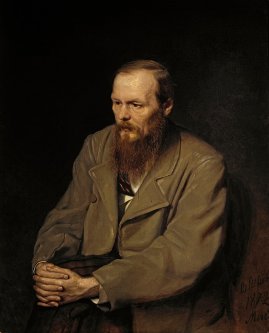
Fyodor Dostoevsky
Psychological depth and moral crisis under pressure; fiction that tests conscience, freedom, and society.